
Makima killed Power to break Denji’s emotional stability, erase his strongest bond, and isolate him so she could force the outcome she wanted from Chainsaw Man’s power and identity.
In this HariManga analysis, we base every claim on manga-canon events, character motivations shown on-page, and the series’ contract and control logic, separating confirmed intent from fan headcanon to keep the explanation reliable. Below, you’ll get the clean answer first, then 9 dark facts that reveal how Makima’s “shocking betrayal” was actually a calculated step in her larger plan.
Why Did Makima Kill Power? The Short Context You Need Before the Dark Stuff
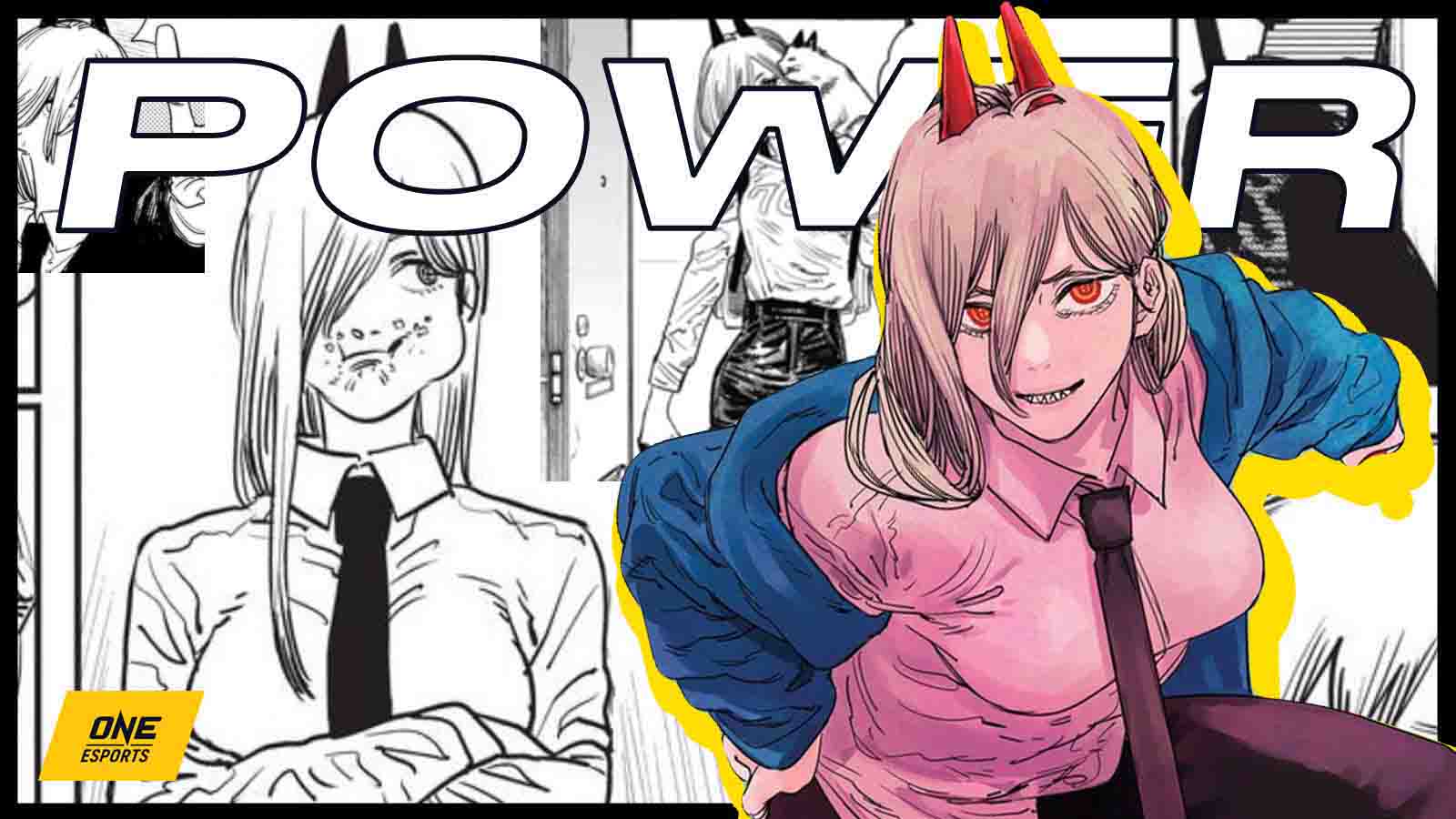
Power is a Fiend (the Blood Fiend) who starts selfish and chaotic, then slowly becomes part of Denji and Aki’s day-to-day life. After several traumatic arcs, Denji’s relationship with Power shifts into something closer to found family than “coworkers in Public Safety.”
Makima, meanwhile, is not operating like a normal boss. She is building a reality where she can command outcomes, not just people. Her interest in Denji is never “romance” in any healthy sense. Denji is a key that opens a door, and Makima is willing to break him to turn the lock.
What Fans Commonly Get Wrong About This Scene
A lot of explanations stop at “Makima is evil.” That is emotionally true, but incomplete. The scene works because it is built on:
- Timing: Power returns at the exact moment Denji believes he can finally breathe.
- Symbolism: A “welcome home” becomes a massacre of hope.
- Psychology: Makima targets the bond Denji cannot rationalize away.
- Strategy: The act is designed to reshape Denji’s contract reality, not just his feelings.
With that foundation, here are the nine dark facts most fans still struggle to accept.
The 9 Dark Facts Fans Still Can’t Accept
1) Makima did it primarily to break Denji, not because Power was a “threat”
Power is dangerous, but Makima’s decision is not framed like a tactical “remove the strongest enemy” move. It is framed like emotional demolition.
Makima understands Denji’s core weakness: he is starving for connection. Denji can survive poverty, pain, humiliation, even repeated violence. What he cannot survive intact is the repeated proof that love and safety are traps.
Power, by that point, represents:
- Home
- Routine
- A bond that is not transactional
- A person Denji protects without being ordered to
So Makima kills Power to teach Denji the most controlling lesson possible: anything you love exists by my permission.
2) Power’s death is a “proof of control” performed in front of the person Makima wants to own
Makima’s control is not only about outcomes. It is about psychological ownership. She does not merely take something away. She makes sure Denji understands that he is watching a demonstration of authority.
This is why the scene hits like a violation, not just a tragedy. It is not a distant loss. It is a staged lesson:
- Denji’s happiness is conditional
- Denji’s bonds are accessible to Makima
- Denji’s resistance is meaningless in that moment
If Makima only wanted Power gone, she could do it in countless quieter ways. The public, immediate cruelty is part of the method.
3) Makima needed Denji isolated because love is the only thing that competes with control
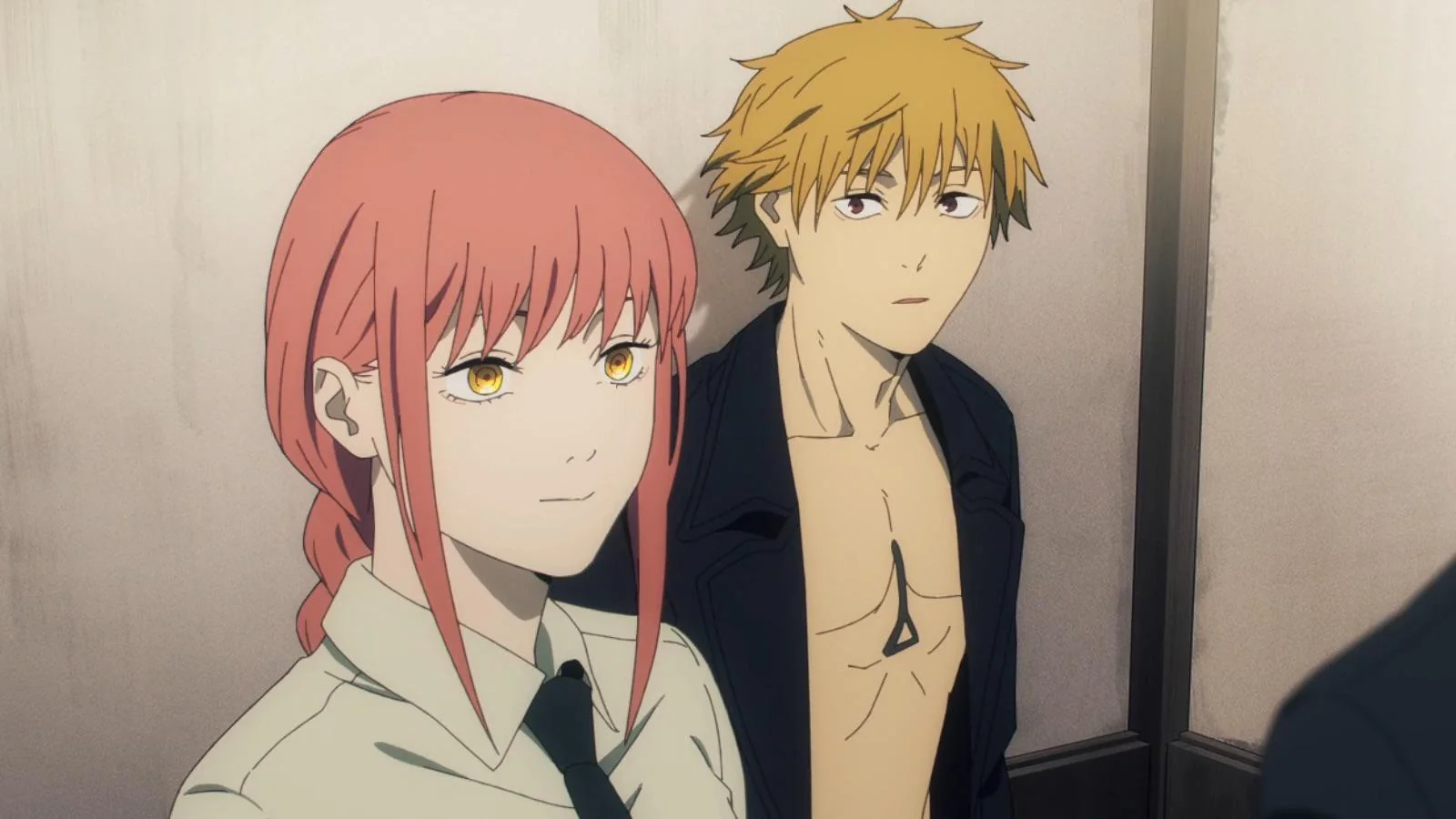
Denji is easy to guide when his needs are simple. As he gains real relationships, he gains something dangerous: independent motivation.
Power is one of the few characters who pulls Denji away from Makima’s narrative. Not through ideology, but through lived intimacy: shared space, shared trauma, shared everyday moments.
Makima’s approach is consistent with abusive control patterns:
- Reward affection and obedience.
- Punish independence.
- Isolate the target from alternative sources of love.
- Rewrite the target’s idea of what safety means.
Power’s existence threatens the isolation step. That is why she cannot remain.
4) Makima exploited Power’s trauma and vulnerability, which makes the act darker than a “battle death”
Power is not killed mid-fight in a blaze of glory. She is killed when she is emotionally unarmed, when “home” feels real again.
That choice matters. Chainsaw Man is violent, but this is predatory violence. It leverages:
- Trust
- Relief
- The belief that the nightmare is over
Fans struggle with this because it is not “fair.” But that unfairness is the point: Makima is not a rival. She is a system that crushes people when they finally stop bracing for impact.
5) Makima was also erasing a piece of Denji’s identity: the family he built with Aki and Power
Denji’s life with Aki and Power is more than companionship. It is the first time Denji experiences structure that feels like a real family unit. For Denji, that “family” is identity.
Makima systematically dismantles that identity so Denji returns to a simpler, emptier state:
- No stable home
- No chosen family
- No emotional anchor
- Only Makima’s approval as a compass
That is why fans often describe this era as Denji being “reset.” It is not a reset in plot terms. It is a reset in selfhood.
6) Power’s death is designed to sabotage Denji’s contract reality, not just his mood
This is the part that many viewers miss because it requires thinking like the story’s metaphysics.
Denji’s relationship with Pochita is not merely friendship. It is bound up in a contract shaped by Denji’s desires and his will to live. Makima’s goal depends on Denji becoming psychologically unable to sustain what he promised and what he wants.
By shattering Denji’s emotional foundation, Makima pushes him toward:
- Numbness
- Dissociation
- Self-erasure
- A state where “Denji” stops being the primary driver
In a universe where contracts and identity have supernatural consequences, emotional destruction is not separate from power mechanics. It is part of them.
7) Makima chose Power specifically because Power is Denji’s most “innocent” bond
Denji’s relationship with Makima is loaded with coercion. His relationships with many others begin in violence or manipulation. Power, however, evolves into something disarmingly pure for this series: messy, loud, imperfect affection that becomes real.
That is exactly why Power is the perfect target.
Killing a rival hurts.
Killing a friend hurts more.
Killing the person who represents “home” turns the knife into a permanent psychological scar.
This is why fans call it unforgivable. It is not just death. It is the destruction of Denji’s ability to believe in safety.
8) The scene is meant to make you feel complicit in the trap, because the story set you up to relax
Chainsaw Man often uses comedy, domestic downtime, and found-family warmth as a pressure valve. The problem is that the story then punishes you for trusting the valve.
By the time Power returns, many readers feel the same thing Denji feels:
- Maybe we can finally slow down.
- Maybe the worst is over.
- Maybe this is the new normal.
Makima’s act destroys that feeling for Denji and for the audience. It is meta-control: she is controlling the narrative rhythm the same way she controls people.
HariManga team share: This is one of Fujimoto’s sharpest “comfort to catastrophe” transitions. It is brutal because it is structured, not random.
9) It reveals Makima’s true value system: people are props, and love is just leverage
The hardest truth is also the simplest: Makima does not value people as people. She values them as instruments in a plan.
Power’s death is horrifying because it clarifies what Makima believes:
- Bonds exist to be exploited.
- Emotions exist to be engineered.
- Lives exist to be spent.
Fans “can’t accept” this because we want villains to have a human crack, a tragic justification that redeems them slightly. Chainsaw Man refuses that comfort. Makima’s empathy is not absent. It is irrelevant to her objective.
What This Moment Means for Power as a Character
Power begins as comedic chaos, but her arc moves toward something rare in this series: growth that is not performative. Her bond with Denji becomes real precisely because it is not framed as romance or conquest.
So her death functions on two levels:
- Character tragedy: Power is taken at the moment she finally belongs.
- Theme reinforcement: In this world, belonging is a target.
What This Moment Does to Denji Long-Term
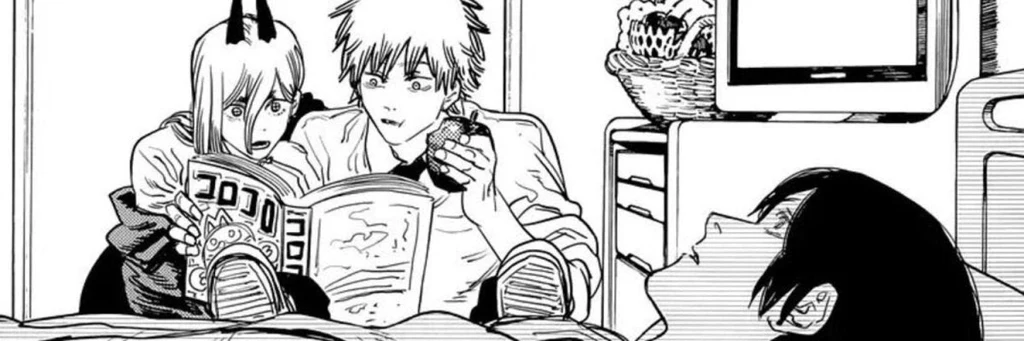
Power’s death is not only grief. It is a forced rewrite of Denji’s worldview. After this, Denji has to confront a terrifying question:
If every time I build a life, someone can take it away instantly, why build anything at all?
That is the psychological terrain Makima wants: a Denji who stops choosing for himself.
Why Fans Still Debate This Even When the Story Makes It Clear
Because there are two kinds of “why” questions:
- Plot-why: What did Makima gain strategically?
- Human-why: How could someone do this emotionally?
The plot-why is answerable: break Denji, isolate him, and advance the plan.
The human-why feels unbearable, because it forces you to accept that Makima’s relationship to love is fundamentally predatory.
FAQ – Why Did Makima Kill Power?
Did Makima kill Power to make Denji transform into Chainsaw Man?
Yes, indirectly. The emotional destruction is meant to push Denji toward a state where Makima can access what she truly wants from him.
Was Power a danger to Makima’s plan?
Not as a direct combat threat. Power was a danger as an emotional anchor for Denji and a symbol of his independence.
Why did Makima kill Power in such a sudden way?
Because the shock is part of the control. It is a demonstration meant to annihilate hope instantly, not a fair fight.
Did Makima hate Power personally?
The story frames it more as utilitarian cruelty than personal hatred. Power is a lever to pull, not a rival to respect.
Could Power have survived if Denji acted faster?
The scene is engineered to be unwinnable emotionally. Denji is not meant to have a “hero save” moment there.
Is this the most important step in Makima breaking Denji?
It is one of the most decisive. It targets Denji’s safest bond and collapses the idea of “home.”
Does Makima killing Power prove she never cared about Denji?
It proves that whatever “care” she displays is subordinate to control and outcome. Her affection functions as a tool.
Why is Power’s death so traumatic for readers compared to other deaths?
Because it happens at “home,” during a moment of relief, and because Power had evolved into family rather than a punchline.
Is Power gone forever?
Without going into excessive spoilers: the series’ devil and identity mechanics complicate what “forever” means, but Power as Denji knew her is not simply restored.
What is the most accurate one-sentence answer?
Makima killed Power to shatter Denji’s emotional foundation and isolate him, because controlling Denji was the key to achieving Makima’s ultimate plan.
You may also like:
How Old Is Makima? 5 Brutal Facts Fans Keep Missing
Is Chainsaw Man Manga Over? Everything You Need to Know
Chainsaw Man Characters: 27 Iconic Picks That Will Blow Your Mind
