
The difference between manga and anime is the format: manga is Japanese-style comics (read in panels on paper or digital), while anime is Japanese-style animation (watched as TV episodes, films, or streaming series).
At HariManga, we sum it up like this: manga is the source you read, anime is the adaptation you watch, and the experience can change a lot depending on pacing, censorship, and production choices. So which one tells the “real” story, and which one should you start with?
What is manga?
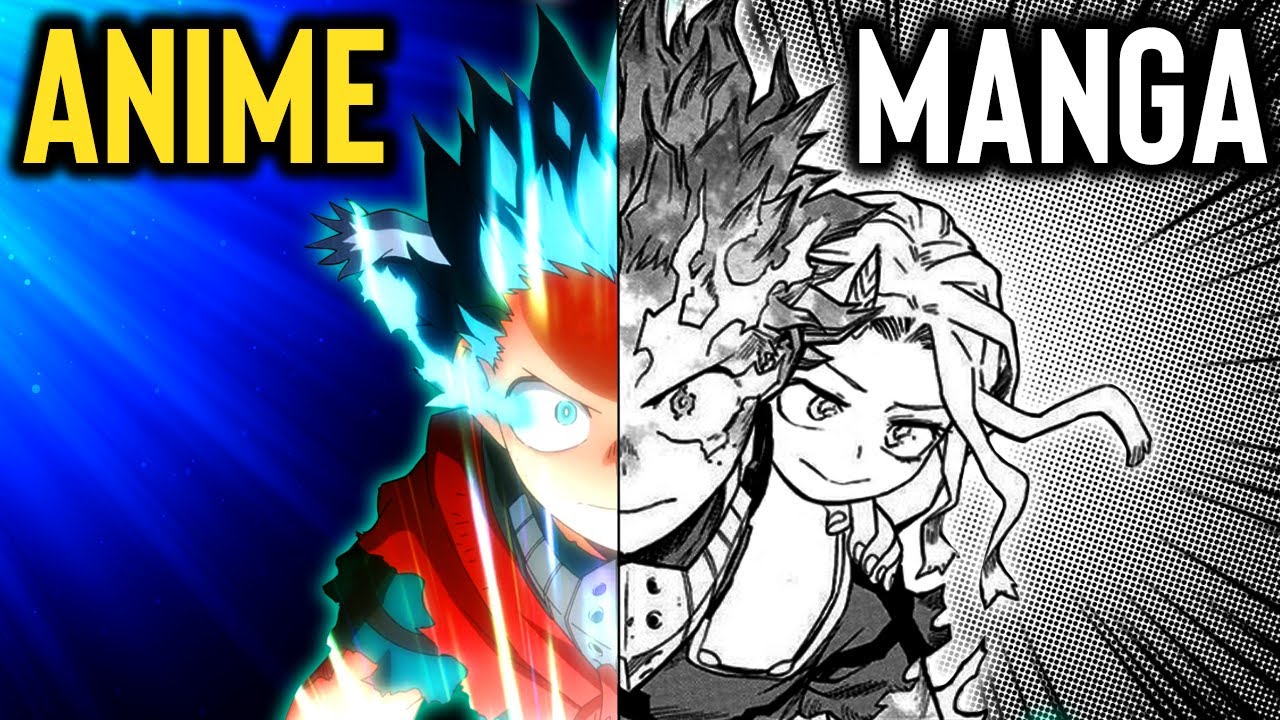
Manga is the Japanese comics ecosystem: stories told through panels, speech bubbles, and page composition.
Most series begin as serialization, meaning a new chapter releases on a schedule (weekly, biweekly, monthly, or irregular) through magazines or digital platforms. Later, those chapters are collected into tankobon volumes.
How manga is usually published
Manga can look simple from the outside, but the release pipeline shapes the story.
- Serialized chapters first: Chapters release in magazines or digital apps. This structure encourages cliffhangers, fast hooks, and clear arc progression.
- Volumes later: After enough chapters exist, publishers compile them into volumes. Volumes often include extras like author notes, bonus pages, or short omake content.
- Editorial shaping: Most professional manga involves an editor who helps with pacing, readability, and market positioning. The mangaka still drives the creative core, but editors can influence structure, deadlines, and clarity.
Why manga reading feels unique
Manga is a “reader paced” medium. You decide whether to skim an action scene or linger on a character’s facial expression. You can reread a page turn reveal immediately. You can pause on a background detail and notice foreshadowing the first time, not five episodes later.
Manga also has a distinctive visual grammar: speed lines, impact frames, panel size changes, and page layouts that control rhythm. When done well, the page itself becomes a timing device.
What is anime?
Anime is Japanese animation across TV series, streaming series, films, and specials.
Even when an anime adapts a manga, it becomes a different product with different goals: it must fit runtimes, episode counts, seasonal schedules, and the realities of animation production.
Common anime formats
- TV seasons: Often released in cour blocks (for example, a single season run that covers a portion of the story).
- Movies: Typically higher production value per minute and designed for a self contained arc or climax.
- Specials and OVAs: Extra episodes, side stories, comedic shorts, or bonus material.
- Anime originals: Stories created first as anime, later adapted into manga or novels.
Why anime feels different, even with the same plot
Anime uses tools manga does not have:
- Voice acting changes character identity. A single line read can redefine a scene.
- Music tells you what to feel and when to feel it, often boosting emotional impact.
- Motion clarifies choreography, comedy timing, and physical acting.
- Color and lighting set atmosphere instantly.
Anime is also time locked. A dramatic pause can last ten seconds whether you want it or not. That can be powerful, or it can feel slow, depending on direction and episode planning.
The core difference is medium, and medium changes everything
People often want a one sentence answer, but the real value is understanding how format reshapes story delivery. These are the most important differences that actually affect your experience.
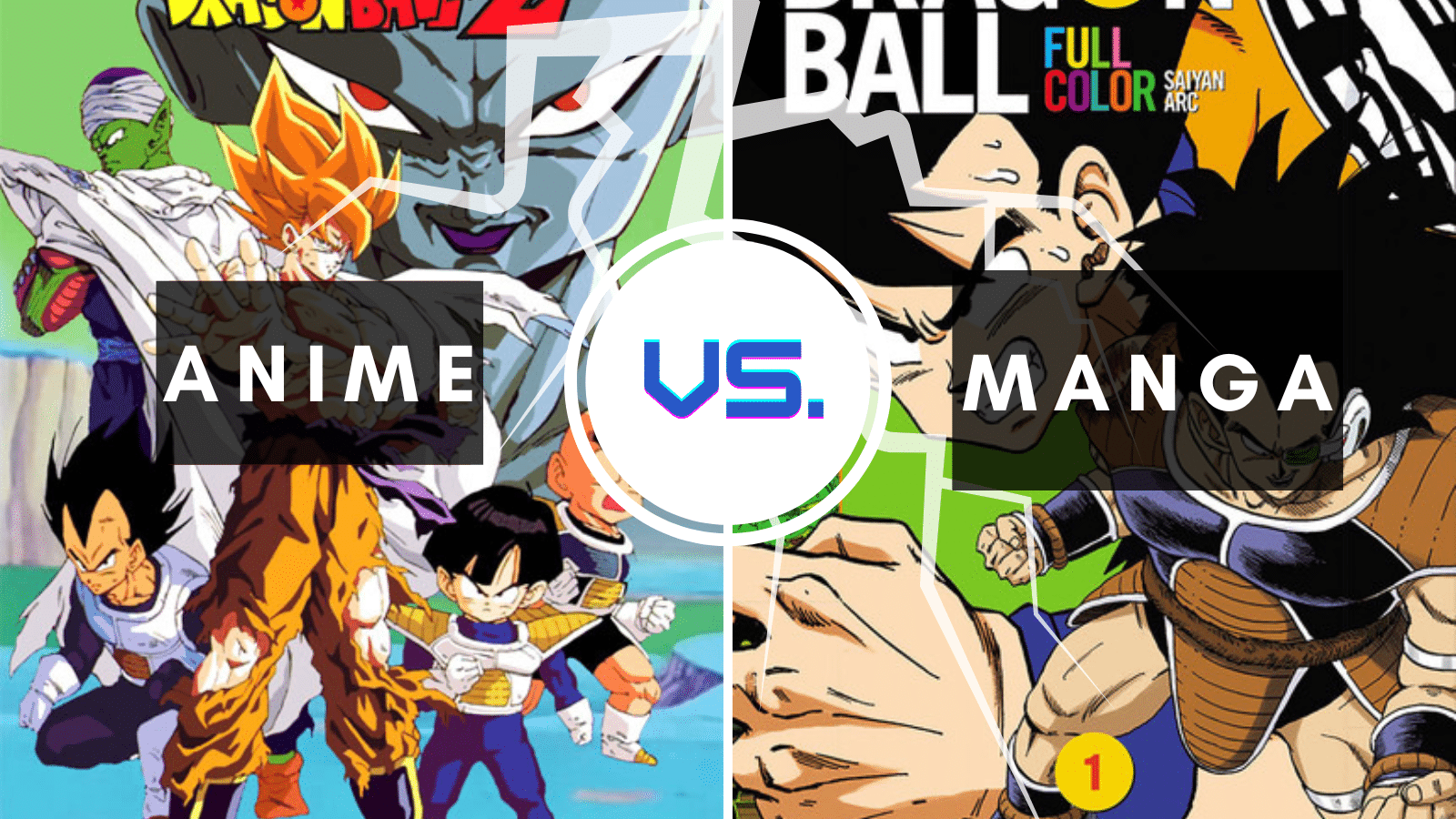
Storytelling language: panels versus timed scenes
How manga tells time
Manga “tells time” through layout. A full page splash can slow you down. A rapid series of small panels can simulate speed. A silent panel can act like a pause. The reader is still in control, but the page is guiding you.
Manga also relies on implied motion. You imagine sound, rhythm, and movement. That makes manga feel intimate because your brain completes the scene.
How anime tells time
Anime tells time literally. A scene lasts as long as the director chooses. Music swells. The camera angle changes. Animation holds or accelerates. You experience timing the way the production team intends.
The best anime adaptations translate manga panel rhythm into cinematic rhythm. The worst ones either rush key beats or drag scenes to fill an episode.
Pacing: why the same arc feels faster in manga
Pacing is the number one reason people argue about manga vs anime
Manga pacing tends to be tighter
Because manga chapters are read quickly, authors often pack them with plot and beats. You can also binge volumes fast, so story momentum feels strong.
Manga also has fewer “runtime obligations.” A chapter can end wherever it wants. It does not need to fill 23 minutes. It can be short, long, or irregular depending on deadlines and storytelling needs.
Anime pacing is shaped by episodes
Anime often follows a structure where each episode needs:
- A mini arc or emotional beat
- A cliffhanger or endpoint
- A balance of action, dialogue, and downtime
That structure can cause expansion: reaction shots, extended dialogue, additional transitions, recap minutes, and longer fight choreography. Sometimes this is an upgrade. Sometimes it feels like padding.
The binge effect
A manga binge and an anime binge feel different. Manga binge speed is limited by your reading rate. Anime binge speed is limited by episode runtime.
That is why manga is often the “fastest route” to catch up, while anime is often the “most immersive route” to feel the big moments.
Adaptation changes: why anime and manga can have different details
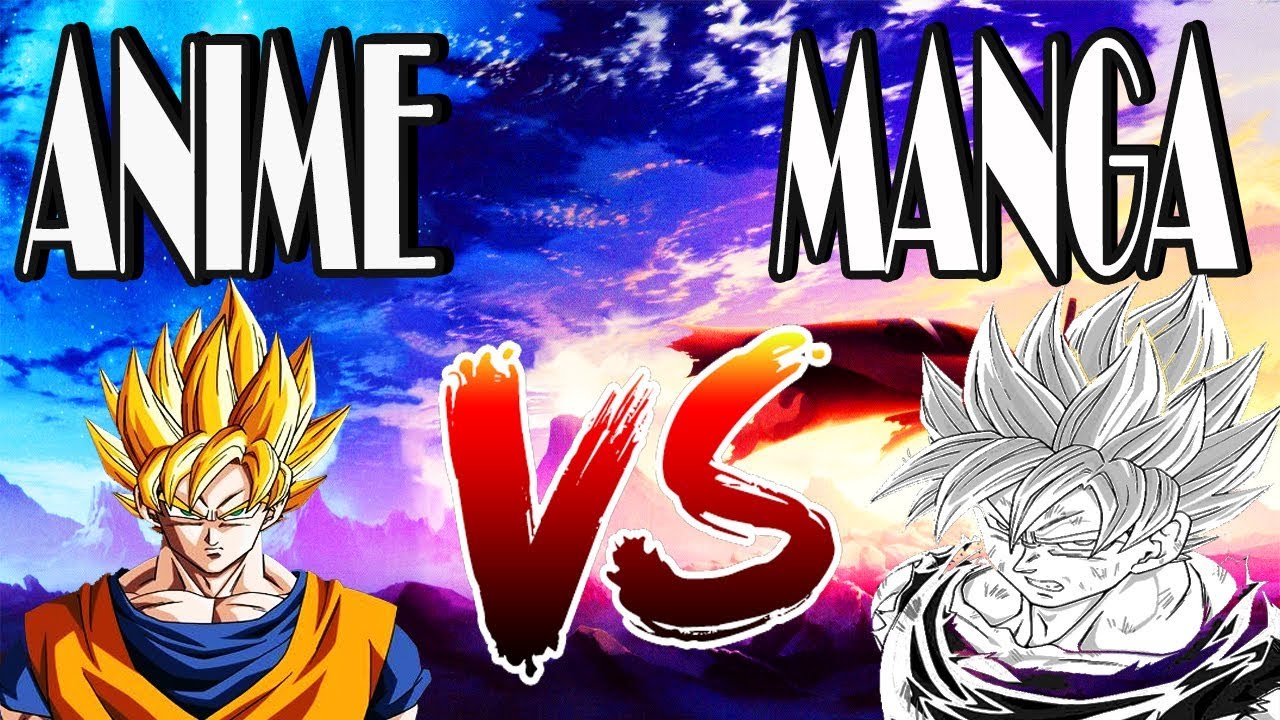
Even faithful adaptations change things. Not always for creative reasons, often for practical ones.
What anime commonly changes
- Cuts and compression: Inner monologue, small jokes, minor character beats, and background explanations are often reduced.
- Reordering: Scenes may be moved to improve episode flow or create stronger cliffhangers.
- Tone adjustments: A manga scene that reads playful can be directed as serious, or vice versa, depending on acting and music.
- Censorship and broadcast standards: Violence, nudity, language, and sensitive topics may be edited.
- Anime original additions: Extra scenes, extended fights, or side episodes can appear. Sometimes these are filler, sometimes they improve continuity.
What manga usually preserves better
- Author intent in sequencing: Manga reveals are designed around page turns and panel rhythm. Anime can replicate this, but it often changes timing.
- Internal thoughts: Manga can live inside a character’s head for pages. Anime can do narration, but it often chooses visual storytelling instead, which changes nuance.
- Micro details: Background signs, symbolic imagery, and subtle facial changes can be more visible in manga because you can pause and study a panel.
If you have ever felt that an anime skipped “the reason a character did something,” it is often because the manga explained it internally and the anime chose to show it more indirectly or not at all.
Canon: which one is the “real” story?
Canon is not universal. It depends on how the franchise was created.
When manga is the main canon
If the manga came first and continues as the primary creative source, the manga is usually treated as the core canon. The anime is judged by how closely it follows the manga’s plot and characterization.
When anime is the main canon
Some series are created as anime originals. In those cases, anime is the source, and manga adaptations may follow the anime or branch into their own continuity.
When both are treated as separate continuities
Some franchises deliberately allow parallel versions. You can have a manga ending and an anime ending that differ, both considered valid for their format.
The practical way most fans handle canon
Fans typically pick the origin format as the reference point, then treat the other format as:
- A faithful retelling
- A streamlined version
- Or an alternate route
This matters because it changes how you interpret “spoilers.” If the anime diverges, manga readers may not be spoiling the same event anymore.
Censorship and content differences
This is a major difference that many readers underestimate.
Manga can be more direct
Manga is often published with fewer broadcast restrictions. That can mean:
- Stronger language
- More explicit violence
- More sexual content
- Darker or more controversial themes
Not every manga is edgier than its anime, but manga frequently has fewer immediate distribution constraints than broadcast TV.
Anime is filtered by platform and audience expectations
Anime distribution involves different standards depending on:
- Broadcast slot or streaming rating
- Regional regulations
- Platform policies
- Sponsor expectations
That can lead to edited scenes, blurred visuals, toned down gore, or reworked dialogue. Sometimes this makes the story more accessible. Sometimes it softens the stakes.
Production realities: why anime sometimes uses filler or pauses
Anime is a team sport with budgets, schedules, and risk management. Manga is also hard, but the constraints are different.
Manga production is creator driven
A manga usually has a clear authorial voice: one mangaka (often with assistants) plus an editor. That makes the story feel consistent in vision even if art quality varies under deadline stress.
Anime production is committee driven
Anime typically involves:
- A studio
- A director and staff
- A publisher or rights holder
- Investors and sponsors
- Streaming, TV, or distribution partners
This is often called the production committee model. It means many stakeholders can influence the final product, including pacing decisions and episode count.
Why filler exists
Filler often appears when:
- An anime catches up to an ongoing manga
- The studio needs time while the source continues
- The season length requires extra content
- Production needs a lower intensity episode to protect the schedule
Filler is not automatically bad. Some filler builds character and world. The problem is when filler disrupts tension or contradicts later canon.
Why anime has seasons and gaps
Many anime adapt only part of a manga, then pause until enough source material exists to justify another season. This is why manga readers are often ahead, and why anime watchers sometimes wait years.
Art differences: black and white precision versus animated motion
Manga art strengths
Linework detail can be extremely high because a single panel can take time to draw.
- Stylization can be bold because it does not need to move smoothly.
- Composition can be experimental because the page is the canvas.
- Reader focus is under your control, so subtle art choices can matter more.
Manga also uses contrast and negative space in a way that is uniquely powerful, especially in horror, psychological scenes, or quiet romance beats.
Anime art strengths
- Movement makes action readable and emotional acting believable.
- Color design can define an entire series identity.
- Cinematography adds camera language: zooms, pans, framing, and depth.
- Animation timing can create iconic moments that manga cannot replicate.
Anime can elevate scenes through direction. A simple manga panel becomes legendary when paired with the right music cue, voice delivery, and animated pause.
Why some anime looks less detailed than manga
Animation requires many frames. Detail is expensive. That is why an anime may simplify designs to keep movement consistent, especially for long running series. Manga can concentrate detail into a single frame without worrying about drawing it 24 times per second.
Sound: the advantage anime always has
Sound is not a small add on. It can change your perception of characters and story stakes.
Voice acting
Voice acting can:
- Make a character warmer or colder than you imagined
- Add humor through timing
- Intensify trauma or rage
- Clarify age and personality
Once you hear a character’s voice, it can replace the voice you had in your head while reading manga. For some fans, that is a major upgrade. For others, it changes the vibe too much.
Music and sound design
Soundtracks guide emotion, and sound design makes a world feel real. Footsteps, fabric movement, sword clashes, city ambience, silence before impact, these details create immersion that manga cannot provide directly.
This is why some people watch anime even when they have read the manga: they want to experience the story with full sensory weight.
Which is more detailed: manga or anime?
In most cases, manga is more detailed in plot and inner thought, while anime is more detailed in audiovisual immersion.
Ways manga tends to be “more detailed”
- inner monologue and reasoning
- small worldbuilding notes
- subtle foreshadowing in backgrounds
- extra scenes that anime cuts for time
Ways anime tends to be “more detailed”
- physical acting, posture, and movement
- atmosphere through lighting and music
- fight choreography and spatial clarity
- emotional delivery through voice and timing
So the correct question is not “which has more detail,” it is “what kind of detail do you care about.”
Release and availability: why fans choose different formats
Manga is often the fastest path to the story
If the manga is ongoing and the anime is seasonal, manga will usually be ahead. Manga also lets you binge quickly.
Manga is ideal if you:
- hate waiting for new seasons
- want to avoid spoilers
- like reading at your own speed
- want the cleanest continuity reference
Anime is often the easiest entry point
Anime is easier for casual consumption. You can watch with friends. You can enjoy the story while doing less mental work than reading panels.
Anime is ideal if you:
- prefer audiovisual storytelling
- want to sample a series quickly
- love music and voice performance
- enjoy weekly community discussion
The hybrid behavior most fans settle into
A very common fan path looks like this:
- start with anime to fall in love with the world
- switch to manga to continue the story faster
- return to anime for the peak moments you want to see animated
At HariManga, this is one of the most consistent reading patterns we see across popular titles.
How to choose: manga or anime first?
There is no universal best choice. Use your goal.
Start with manga if you care most about
- the fullest version of the story and author pacing
- fewer cuts and fewer restructuring changes
- catching up quickly
- rereading and noticing details
Manga also works best when you want to experience a story privately, at your own pace, without waiting for seasonal release schedules.
Start with anime if you care most about
- immersion through voice, music, and motion
- a low friction entry point
- iconic action or comedy timing
- watching with friends and sharing reactions
Anime also works best when a series is known for exceptional adaptation quality, especially in direction and animation.
A simple decision guide
- If you binge fast and hate waiting, choose manga.
- If you want emotional impact with music, choose anime.
- If you are sensitive to spoilers, choose manga.
- If you struggle with panel reading, choose anime.
Practical tips for switching between manga and anime without confusion
If you watched the anime and want to read the manga
- Start from Chapter 1 if you want missing scenes and full context.
- Start from the arc that follows the last episode if you only want continuation.
- If the anime had filler, expect small continuity differences when you jump to manga.
If you read the manga and want to watch the anime
- Treat anime as a reinterpretation, not a perfect mirror.
- Expect some scenes to be expanded for drama or comedy.
- Enjoy the strengths: voice acting, music, motion, atmosphere.
If you want the “cleanest canon”
Follow the original source medium first (whichever came first for that franchise), then treat the adaptation as a second experience.
The difference between manga and anime is the format, and format changes pacing, detail, and emotional delivery. Manga is the comic you read, usually the primary continuity for many series, with tight author driven pacing and rich inner narration.
Anime is the animated version you watch, shaped by runtime, production decisions, voice acting, music, and the strengths of motion and atmosphere.
If you want the fastest, most complete narrative route, start with manga. If you want the most immersive emotional route, start with anime. Many fans enjoy both because each medium highlights different strengths of the same story world.
FAQ
What Is the Difference Between Manga and Anime?
Manga is Japanese style comics you read in panels. Anime is Japanese style animation you watch as episodes or movies. The same story can feel different because pacing, tone, and content can change during adaptation.
Is manga always the original source?
No. Many anime are based on manga, but some are anime originals, and some are based on light novels, games, or other media.
Does anime skip manga content?
It can. Anime may cut inner monologue, minor scenes, or side jokes to fit runtime. It may also add new scenes or filler depending on production needs.
Which is better, manga or anime?
Neither is universally better. Manga is usually better for speed, detail, and consistency. Anime is usually better for immersion, voice acting, music, and cinematic impact.
Should I read manga after watching anime?
If you want extra scenes, deeper character thought, or faster continuation, yes. Many fans switch to manga to avoid waiting for new seasons.
Why do anime and manga endings sometimes differ?
Because adaptation timing, production decisions, and source completion status can differ. Some anime create alternate endings when the manga is unfinished or when the studio chooses a different narrative route.
You may also like:
Has Miyazaki Done Any Manga Other Than Nausicaa?
What Is Josei? History and Best Examples 2026
What Is Isekai? The Ultimate Guide to the Isekai Genre in Manga
