
Shoujo manga is a genre of Japanese comics primarily targeted at young female readers, typically aged 10 to 18. Known for its emotional depth, shoujo manga often features romantic themes, character-driven plots, and beautiful, detailed artwork. According to experts in the manga community, such as those at HariManga, shoujo stories are crafted to evoke strong emotions, focusing on personal growth, love, and relationships.
Popularized through iconic titles like Sailor Moon and Fruits Basket, shoujo manga has become a significant cultural force in Japan and globally. Whether you’re a long-time fan or just discovering this genre, you’ll find an array of stories that resonate deeply with readers of all ages. Want to explore the best shoujo manga to dive into next? Let’s take a closer look at its history and top titles.
What Is Shoujo Manga? Detailed Definition

Shoujo manga is a category of manga specifically targeted at girls, particularly those in their teenage years. The genre typically features stories that focus on emotions, relationships, and personal development. The plots often involve themes of romance, family, friendship, and sometimes fantasy elements. The artwork in shoujo manga is distinctive, with characters often depicted with large, expressive eyes and intricate, delicate features.
Unlike other genres such as shounen manga (which is targeted at young male readers), shoujo manga tends to focus more on character-driven stories rather than action-oriented plots. While shounen may center on adventure and heroism, shoujo focuses on emotional connections and the exploration of personal challenges and growth.
History of Shoujo Manga
The history of shoujo manga is a fascinating journey that traces its evolution from early 20th-century Japan to its global influence today. Over the decades, shoujo manga has transformed into a major cultural force, defining a unique genre that resonates deeply with readers, particularly young women. Here’s a look at how shoujo manga has developed over time:
Early Beginnings (1900s – 1920s)
The roots of shoujo manga can be traced back to the early 1900s when the first manga aimed at young girls began to emerge. These early works were often illustrations in magazines or children’s publications, focusing on stories that were gentle, moralistic, or fairy-tale-like. These stories were meant to instruct young readers in proper behavior and values.
During this time, the medium was still in its infancy, and manga targeted toward women was not yet a distinct genre. However, these early examples laid the groundwork for the development of shoujo manga as a unique category.
The Birth of Shoujo Manga (1920s – 1930s)
In the 1920s, manga aimed specifically at girls began to take shape. One of the earliest forms of shoujo manga appeared in the form of kawaii (cute) illustrations, which became popular in girls’ magazines. These stories often featured themes of idealized romance, family, and societal expectations, reflecting the values of the time.
A significant influence during this period was the work of Osamu Tezuka, often called the “father of manga,” whose stories laid the foundation for manga storytelling. While Tezuka himself is more famous for his work in shounen and seinen, his techniques would later be adapted and refined by shoujo manga creators.
The Golden Age of Shoujo Manga (1960s – 1970s)
The 1960s and 1970s marked the golden age of shoujo manga, when the genre truly began to flourish and solidify its identity. This period saw the rise of iconic creators like Osamu Tezuka, Naoko Takeuchi, and Akiko Higashimura, who brought shoujo manga into the mainstream. These creators developed complex stories that focused on themes of love, personal growth, and emotional exploration.
A key development in this period was the emergence of the “magical girl” genre, with works like Sailor Moon and Cardcaptor Sakura becoming massive hits in Japan and internationally. These works combined traditional romance with fantasy and adventure, a hallmark of shoujo manga.
During this time, shoujo manga magazines like Shojo Comic and Margaret became incredibly popular, paving the way for a variety of new genres within shoujo manga, including slice-of-life, fantasy, and historical romance.
The Modern Era (1980s – 2000s)
The 1980s and 1990s saw shoujo manga reach new heights in popularity, both in Japan and internationally. Manga like Sailor Moon, Fruits Basket, and Nana introduced mature themes and more complex character arcs, moving away from the more idealized and simplistic narratives of earlier works. The art style became more detailed and diverse, with a shift toward more expressive, unique character designs.
During this era, shoujo manga grew beyond Japan’s borders. Translations of popular works found a large audience in North America and Europe, helping to solidify shoujo manga’s place on the global stage. Shoujo manga conventions, fan communities, and merchandise began to proliferate, further cementing the genre’s widespread appeal.
The Digital Age and Globalization (2000s – Present)
With the rise of the internet and digital platforms, shoujo manga has found new ways to reach audiences. Online manga-reading platforms like Manga Plus, Crunchyroll, and VIZ Media have made shoujo manga more accessible than ever before, allowing readers from around the world to discover new works in a variety of subgenres.
Shoujo manga continues to evolve, with newer series exploring more diverse and inclusive themes. Today’s shoujo manga often tackles issues such as identity, mental health, and LGBTQ+ relationships, reflecting the changing social landscape.
The genre is also now influenced by global manga trends, with many artists blending shoujo elements with shounen or seinen influences, leading to hybrid styles and stories that appeal to a broader audience.
Impact on Popular Culture
The influence of shoujo manga can be seen across various forms of media, including anime, television, movies, and video games. Many of the most popular shoujo manga series have been adapted into anime, and the aesthetics of shoujo—such as the large expressive eyes and emotional storytelling, have become iconic not only in manga but in global pop culture.
Furthermore, shoujo manga’s exploration of romance and relationships has influenced how romance is depicted in media, contributing to the rise of fanfiction, cosplay, and other fan-driven aspects of manga culture.
Key Themes and Characteristics of Shoujo Manga
Shoujo manga is known for its emotional depth and thematic focus. Here are some key themes and characteristics of the genre:
Romantic Relationships: Central to many shoujo stories are love and relationships, often exploring first love, heartbreak, and personal growth through romance.
Character Development: Characters in shoujo manga often go through significant emotional or personal development, learning about themselves and others as they navigate their lives.
Emotional Exploration: Shoujo manga delves into feelings of love, jealousy, friendship, and self-discovery, offering readers a chance to reflect on their own emotions.
Fantasy Elements: Many shoujo manga incorporate magical or fantasy elements, such as magical girls or otherworldly adventures, adding an extra layer of excitement to the emotional narratives.
Art Style: The art is often characterized by large, expressive eyes, soft lines, and intricate detail. This style enhances the emotional tone of the stories, focusing on facial expressions and the nuances of character interactions.
How Shoujo Manga Differs from Other Demographics
Shoujo manga stands out from other manga demographics, such as shounen (for boys), seinen (for adult men), and josei (for adult women), due to its unique themes, artistic style, and narrative structure. Here’s how shoujo manga differs:
Target Audience: The primary audience for shoujo manga is young girls, typically aged 10 to 18, while shounen manga targets young boys, and seinen and josei are intended for adult men and women, respectively.
Themes: Shoujo manga focuses on emotional experiences, romance, and personal growth. It often explores themes like first love, heartbreak, self-discovery, and relationships. On the other hand, shounen manga is action-oriented, often featuring battles, adventure, and heroism. Seinen and josei tend to explore more mature themes, such as complex relationships, adult responsibilities, and deeper psychological or philosophical topics.
Art Style: The art in shoujo manga is characterized by delicate lines, large expressive eyes, and a soft, often whimsical aesthetic that enhances the emotional depth of the story. In contrast, shounen manga often features more dynamic, action-packed visuals with sharper lines and a focus on movement. Seinen and josei may have a more realistic art style, often with more detailed and mature depictions of characters and settings.
Character Development: Shoujo manga places a strong emphasis on character development, particularly the emotional growth of the protagonist, often revolving around their relationships with others. Shounen characters tend to grow through physical challenges or victories, while seinen and josei characters experience more complex, internal emotional and psychological growth.
Tone and Atmosphere: The tone of shoujo manga is typically emotional and sentimental, with an emphasis on romance and personal connection. In contrast, shounen can be more energetic, fast-paced, and adventurous, often focusing on external conflicts. Seinen and josei stories, while still emotionally complex, often tackle darker, more introspective subjects.
Overall, shoujo manga stands apart from other demographics through its focus on romance, emotions, and the personal growth of its primarily female characters, all delivered through a distinctive art style and tone that resonates deeply with young female readers.
Popular Shoujo Manga Titles You Should Read
Here are some of the best shoujo manga titles that every fan should check out:
Sailor Moon by Naoko Takeuchi: A classic magical girl manga that combines romance, friendship, and action as the protagonist, Usagi Tsukino, transforms into the heroic Sailor Moon.
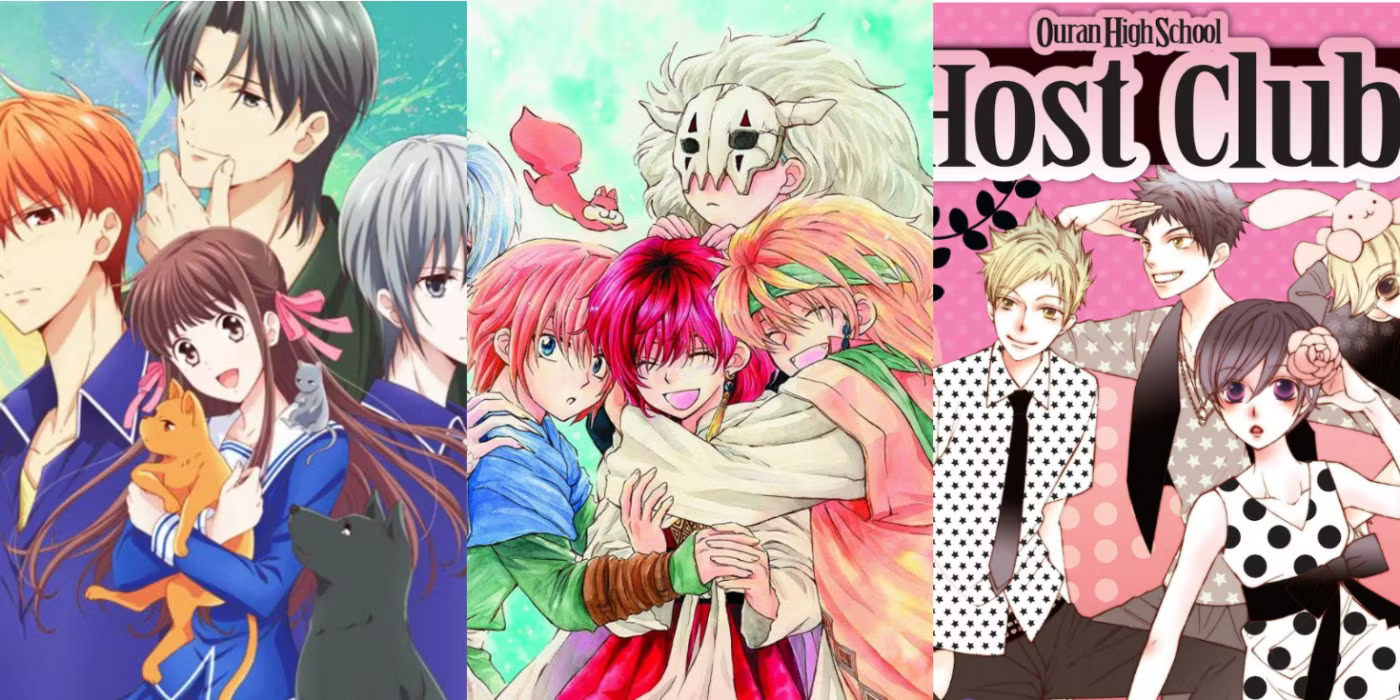
Fruits Basket by Natsuki Takaya: A heartwarming story about a girl named Tohru Honda, who becomes involved with the mysterious Sohma family, each member cursed to transform into an animal of the Chinese zodiac.
Ouran High School Host Club by Bisco Hatori: A hilarious and heartwarming story of Haruhi Fujioka, a scholarship student at the prestigious Ouran Academy, who becomes entangled with the eccentric members of the Host Club.
Cardcaptor Sakura by CLAMP: A magical girl series that follows Sakura Kinomoto as she discovers her magical powers and embarks on a quest to capture the Clow Cards, with themes of friendship and romance.
Nana by Ai Yazawa: A more mature shoujo manga that delves into the lives of two women, both named Nana, whose relationships and musical careers intertwine in dramatic and emotional ways.
The Appeal of Shoujo Manga
Shoujo manga has a broad appeal due to its emotional depth and relatability. Readers are drawn to the genre because of its focus on personal growth, love, and the complexities of relationships. The beautifully drawn characters and intricate plots allow readers to connect deeply with the stories, often evoking strong emotional responses. The art style also adds to the experience, with its expressive nature enhancing the emotional impact of the narrative.
Furthermore, shoujo manga’s ability to explore a wide range of emotions, from the sweetness of first love to the sorrow of heartbreak, makes it a genre that resonates with readers of all ages.
How to Get Started with Shoujo Manga
If you’re new to shoujo manga, here’s how you can get started:
- Start with the classics: Begin with well-known series like Sailor Moon or Fruits Basket to get a feel for the genre.
- Explore different sub-genres: There are various types of shoujo manga, from fantasy and magical girls to slice-of-life and romance. Find the one that resonates most with you.
- Check out digital platforms: Websites like Crunchyroll, Manga Plus, and VIZ Media offer a variety of shoujo manga titles online for easy access.
In conclusion, shoujo manga is a beloved genre that offers readers an emotional and engaging experience. With its focus on romance, personal growth, and beautiful artwork, it continues to captivate audiences worldwide. Whether you’re looking for an escape into a fantasy world or a heartfelt romance, shoujo manga has something for everyone.
FAQ – Shoujo Manga Explained
1. What’s the difference between shoujo and shounen manga?
Shoujo manga is targeted at young female readers and often focuses on emotional depth, relationships, and personal growth, while shounen manga targets young male readers and typically emphasizes action, adventure, and heroism.
2. Is shoujo manga only for girls?
While shoujo manga is aimed at young female readers, anyone can enjoy it, regardless of gender. The themes of love, friendship, and self-discovery are universal.
3. Can I find shoujo manga in English?
Yes, many popular shoujo manga series have been officially translated into English and are available online or in bookstores.
