
Josei (女性) is a Japanese term meaning “woman” or “adult female,” primarily used in manga and anime to denote content targeted at adult women (typically 20s+), contrasting with shōjo (for teens) by featuring more realistic, mature themes like complex relationships, careers, and everyday life, often with a grounded, less idealized approach to romance and challenges.
At HariManga, we see josei as a lane that’s widely embraced by readers who want romance and drama that reflect adult life, an interest that aligns with broader industry reporting on the growing female manga readership and demand for relatable stories.
publishersweekly.com
Ready to find the josei titles that match your mood, comfort, messy realism, or sharp workplace drama?
What is Josei?
Josei (女性, “women”) in manga publishing refers to manga marketed primarily to adult women, often summarized as roughly 18- 40 with storytelling that tends to feel more grounded and life-stage aware than teen-oriented demographics.

In other words, josei is a demographic label, not a single genre: josei manga can be romance, drama, slice-of-life, mystery, or even psychological horror, what unifies it is the intended readership and editorial context.
From a manga-first perspective (how we frame it at HariManga), josei is where romance and drama are allowed to include adult constraints—work, money, independence, family pressure, and where choices have longer shadows than a single school arc.
Origin and History of Josei
Most major references describe josei manga as emerging as a distinct editorial category in the 1980s, differentiating itself from shōjo as early shōjo readers grew older and wanted stories that reflected adult life.
A practical way to understand josei history is to follow women-targeted manga magazines:
- Be Love (Kodansha) debuted in September 1980 and is frequently cited as instrumental in the 1980s rise of josei—helping establish a publishing lane for adult women’s stories.
- Over time, josei magazines often specialized by “flavor” (e.g., romance-focused, realist drama, or more adult content), which is why josei feels diverse even when two titles share the same demographic label.
Distinctive Features of Josei Manga and Anime
1) Created for adult women, with adult life stakes
Josei manga is edited for adult female readers, so its conflicts often come from adult systems: careers, money, independence, family expectations, health, and long-term relationship decisions. Instead of “school milestones,” the plot tension usually comes from choices that affect housing, stability, reputation, and future plans.
2) A grounded tone and a less idealized emotional frame
Compared with many shōjo works, josei commonly feels more grounded in how it frames romance and hardship. Characters may still be dramatic, but their problems often look familiar: timing issues, emotional fatigue, unspoken resentment, and practical barriers that cannot be fixed by one confession scene.
3) Romance that continues after the relationship starts
A clear josei signature is that romance often does not end at “they confessed.” Many josei stories explore what happens next:
- Negotiation of boundaries
- Trust and jealousy that evolve over time
- Emotional labor and imbalance
- Compatibility when careers, family, and personal goals collide
4) Adult social themes as real plot engines
Josei frequently treats adult topics as core drivers of the story, not background flavor. Common themes include:
- Workplace politics, burnout, ambition, layoffs
- Marriage pressure, cohabitation, infidelity, divorce
- Childcare, eldercare, family duty
- Beauty standards, aging, self image, loneliness
5) Strong interiority and psychological nuance
Josei often invests in inner monologue, mixed motives, and moral grayness. Characters can make imperfect choices for understandable reasons, and the story allows ambiguity. In manga form, this is supported by quiet paneling: pauses, small gestures, close ups, and everyday scenes that carry emotional subtext.
6) Slower, consequence driven pacing
Many josei series build impact cumulatively. Instead of relying on constant twists, they let consequences ripple through later chapters. Small arguments, work stress, and tiny betrayals can matter because they stack, then reshape relationships.
7) Wide genre range, consistent adult lens
Josei is a demographic label, so it spans romance, drama, slice of life, mystery, and more. Even when the surface genre changes, josei tends to keep an adult lens: responsibility, identity, social pressure, and the cost of choosing one path over another.
8) How josei changes from manga to anime
When josei manga gets an anime adaptation, the core themes may remain, but the delivery often shifts:
- Less internal narration, feelings become dialogue, acting, music
- Compressed timelines, fewer “quiet consequence” scenes
- Tone adjustments for broadcast or platform standards, especially around intimacy
Practical checklist: adult protagonists, adult responsibilities, realistic relationship management, and long tail consequences are strong josei signals.
Differences Between Josei and Shoujo
1) What the labels actually mean
Josei and shoujo are primarily publishing demographics. They describe the intended readership and the editorial market a manga is positioned in, rather than a strict content rulebook. A story can feel mature or grounded, but its demographic label is usually tied to how it is published and marketed.
2) Target readers and life stage focus
- Shoujo is commonly aimed at younger female readers, with stories that often revolve around school-age identity, first crushes, and early emotional growth.
- Josei is aimed at adult women, so its narratives more often reflect adult life stages: independence, careers, long-term relationships, and higher consequence decisions.
This difference changes what the story treats as “high stakes.” In shoujo, stakes often peak around confession, friendship dynamics, social belonging, and personal confidence. In josei, stakes often involve housing, money, career trajectory, family expectations, and emotional sustainability.
3) Romance structure and relationship timeline
Both demographics include romance, but the relationship timeline tends to differ.
Common patterns in shoujo:
- Strong emphasis on the build-up: attraction, misunderstanding, will-they-won’t-they tension
- Romance is often framed as idealized or transformative
- Emotional climaxes may focus on confession, the first kiss, or choosing someone
Common patterns in josei:
- More narrative space after dating begins
- Focus on maintaining a relationship: boundaries, trust, communication habits
- Practical friction matters: time, work, money, family, mental load, life goals
4) Conflict sources and realism of obstacles
Shoujo often uses emotionally heightened obstacles: rivals, dramatic misunderstandings, social pressure among peers, or symbolic “tests of love.” Josei more often uses structural adult obstacles: workplace hierarchy, burnout, unequal emotional labor, cohabitation issues, caregiving responsibilities, divorce or remarriage decisions, and social expectations that are harder to escape.
5) Protagonists, settings, and everyday texture
Common shoujo defaults:
- School settings, clubs, festivals, exams
- Peer group dynamics as the main social system
- First love and early self-discovery as central engines
Common josei defaults:
- Workplaces, apartments, commuting life, adult social circles
- Money, housing, status, and time management as real constraints
- Long-term identity building and relationship negotiation
6) Tone, emotional framing, and how feelings are shown
Shoujo often highlights the intensity of falling in love, using a dreamy or heightened emotional atmosphere. Josei often frames feelings through realism: awkward silences, imperfect timing, unsaid truths, and consequences that do not disappear after one dramatic moment.
A helpful way to remember it:
- Shoujo often magnifies the feeling of love beginning.
- Josei often examines what it takes to keep love stable.
7) Visual language and pacing tendencies
Not universal, but common trends:
- Shoujo often uses stylized backgrounds, symbolic imagery, dramatic expressions, and quicker emotional swings.
- Josei often uses quieter paneling, more everyday detail, and slower pacing where small moments accumulate into major decisions.
8) Intimacy and content range
Neither label automatically means explicit content. However:
- Shoujo is typically edited for younger readers, so intimacy is often implied or handled softly.
- Josei has a wider range. Some titles remain subtle, while others include more direct adult themes, depending on imprint and editorial line.
Famous Josei Works
Below are widely recognized josei manga that show the demographic’s range, from modern romance and workplace life to psychological intensity and mystery. I list each title with the author, why it is notable, and the magazine context that places it in josei publishing.
1) Princess Jellyfish (Kuragehime) by Akiko Higashimura
Serialized in Kodansha’s josei magazine Kiss, this series blends comedy, fashion, and self growth through a cast of introverted women and their shifting confidence. It is often recommended as a gateway josei because it is warm, funny, and socially observant without needing extreme melodrama.
2) Nodame Cantabile by Tomoko Ninomiya
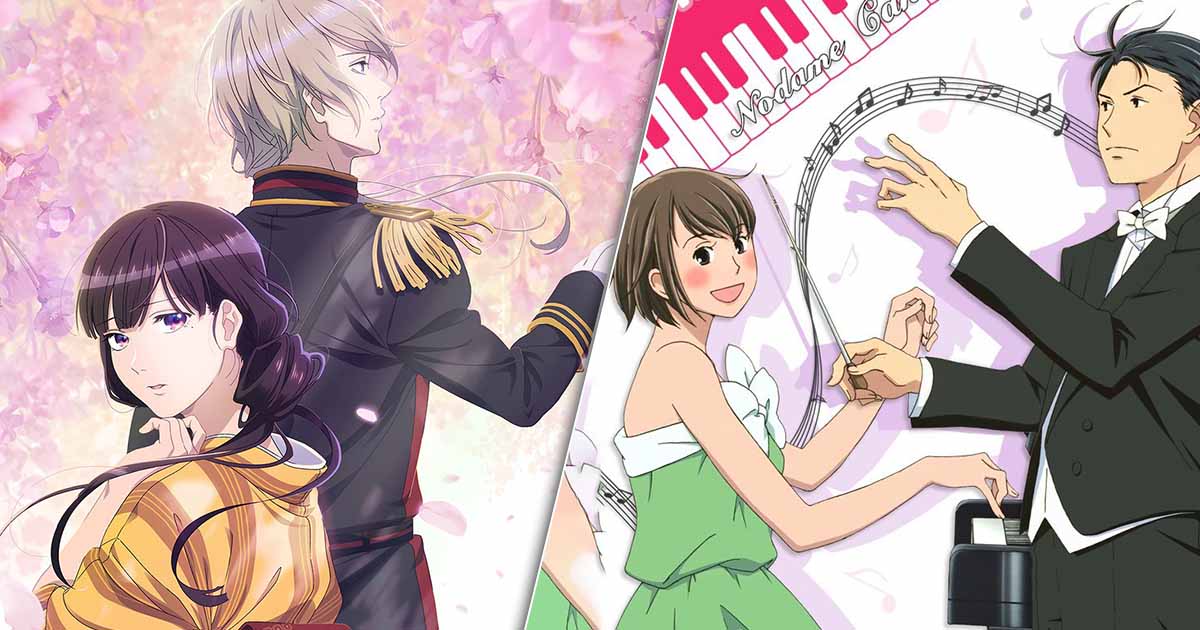
A classic music romance serialized in Kiss, focusing on artistic ambition, personal flaws, and long term development rather than a quick confession payoff. Its josei appeal comes from how it treats careers and relationships as intertwined, with adulthood arriving in stages.
3) Tokyo Tarareba Girls by Akiko Higashimura
Serialized in Kiss, this is a sharp contemporary comedy drama about women in their thirties, regret, dating pressure, and friendship. It is famous for capturing modern urban anxiety in a way that feels specific and conversational, with humor that does not soften the hard truths.
4) Perfect World by Rie Aruga
Serialized in Kiss, this romance drama centers on an adult relationship shaped by disability and the real world logistics that come with it. It stands out for its grounded tone and its focus on love as daily work, not only emotional intensity.
5) Tramps Like Us (Kimi wa Pet, You’re My Pet) by Yayoi Ogawa
This well known romance comedy ran in Kodansha’s Kiss, built around an unconventional relationship that exposes stress, loneliness, and social expectations placed on adult women. It remains a frequent josei recommendation because it balances playful premise with surprisingly reflective character writing.
6) Chihayafuru by Yuki Suetsugu
Serialized in Kodansha’s Be Love, this long running series proves josei is not limited to romance. Its competitive karuta focus is paired with sustained character growth, friendship, and motivation that evolves across years, which is a very josei style of payoff.
7) Honey and Clover by Chica Umino
Serialized first in a shōjo magazine, then transferred to Shueisha’s josei magazine Young You, this is a defining coming of age story for older readers. It is famous for portraying love, ambition, and directionless periods with emotional honesty that hits harder after school years end.
8) Helter Skelter by Kyoko Okazaki
A landmark work serialized in Feel Young, often cited for its brutal look at celebrity, beauty culture, and psychological collapse. It is short, intense, and stylistically sharp, showing how josei can carry high concept critique while staying character centric.
9) Suppli by Mari Okazaki
Published in Shodensha’s josei magazine Feel Young, Suppli is a workplace centered adult romance about loneliness, self worth, and the emotional compromises of modern city life. Its appeal is the everyday texture and the realistic ways people avoid telling the truth.
10) Blank Canvas: My So Called Artist’s Journey (Kakukaku Shikajika) by Akiko Higashimura
Serialized in Shueisha’s Cocohana, this autobiographical manga is widely praised for turning mentorship, failure, and artistic growth into a story with genuine stakes. It is often recommended even to readers who do not usually read romance.
11) Don’t Call It Mystery (Do Not Say Mystery) by Yumi Tamura
Serialized in Shogakukan’s Monthly Flowers, this mystery driven josei shows the demographic’s breadth. The cases are hooks, but the real draw is the protagonist’s perspective on social contradictions and human behavior.
Optional crossover that josei readers often love: Nana by Ai Yazawa
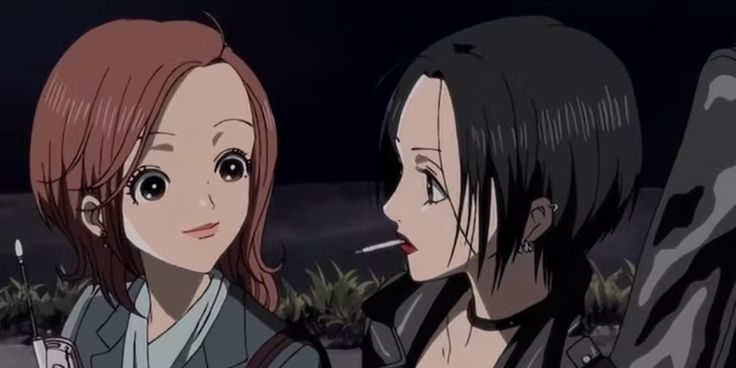
Nana is officially serialized in Shueisha’s shōjo magazine Cookie, but it is frequently recommended alongside josei because of its adult emotional weight, friendship dynamics, and consequences that feel painfully real.
Josei manga is adult women’s manga: a demographic lane built for stories that can handle mature stakes—work, identity, long-term love, and the messy realism between them.
If you’re building a josei reading list, the most reliable method is to start with magazine/imprint context (Kiss, Be Love, Feel Young, Monthly Flowers) and then choose by mood: comfort, realism, or sharp psychological drama.
FAQ – What is josei?
Is Josei a genre?
No. Josei is a demographic category, meaning it describes the intended audience (adult women), not a single plot type.
Is Josei always romance or explicit?
No. Josei often includes romance and adult themes, but it can also be mystery, slice-of-life, drama, or psychological works; explicitness varies by title and imprint.
How can I quickly tell if a manga is josei?
Check where it was serialized (magazine/imprint). If it ran in a josei magazine like Kiss or Be Love, it’s a strong classification signal.
What’s a good josei manga for beginners?
If you want accessible entry points: Princess Jellyfish, Nodame Cantabile, or Chihayafuru—they represent different josei “vibes” while staying highly readable.
You may also like:
What Is Shoujo Manga? Definition, History, and Best Titles To Read
What Is Isekai? The Ultimate Guide to the Isekai Genre in Manga
What Is a Harem? Understanding the Popular Harem Genre in Manga
