
Ecchi is a genre of anime and manga that typically features light sexual content, often focusing on fanservice moments like suggestive situations, revealing outfits, or innuendos. While ecchi content does not explicitly show nudity or graphic scenes, it often pushes boundaries with playful and flirtatious themes.
According to expert reviews on platforms like HariManga, ecchi is widely popular for its ability to balance humor, fantasy, and mild eroticism in a way that appeals to many fans. Curious about why ecchi anime and manga have such a strong following? Dive into this article to explore its characteristics, popularity, and the fine line it walks between comedy and sensuality!
What is Ecchi?
Ecchi is a genre primarily found in anime and manga that contains mild sexual content, typically involving suggestive themes and fanservice moments, but without explicit nudity or graphic scenes. The term “ecchi” comes from the Japanese word for “perverted” or “indecent” but is often used in a lighter, more playful context, distinguishing it from more explicit genres like hentai.
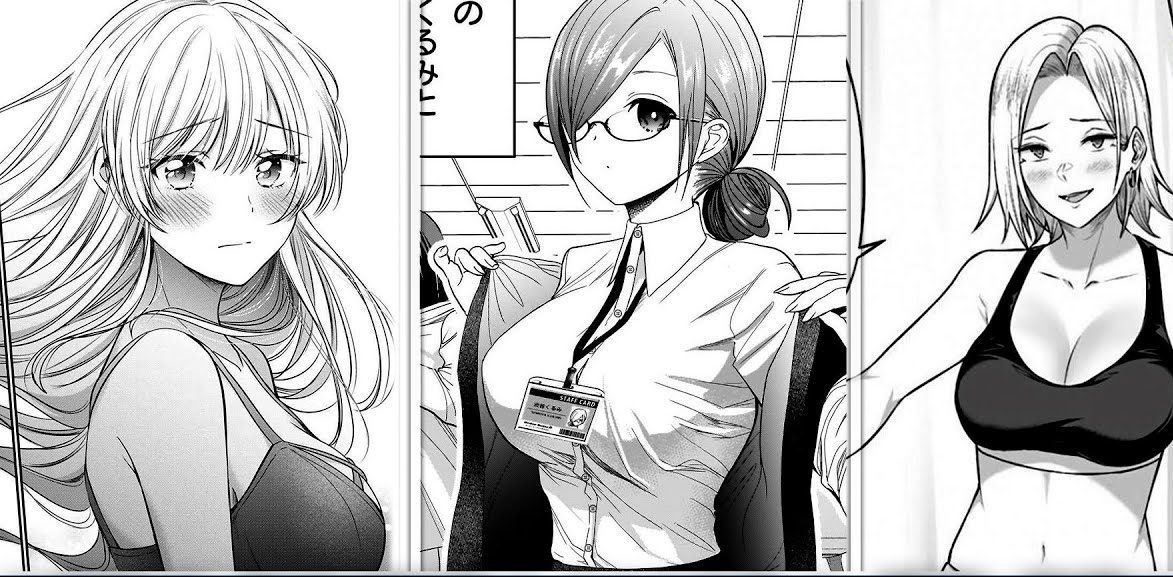
Ecchi content often focuses on sexual innuendos, revealing clothing, and situations designed to tease or create sexual tension without crossing into explicit territory. While ecchi scenes are meant to be humorous or lighthearted, they frequently involve characters in compromising or awkward situations that emphasize physical attraction or create comedic tension.
In terms of storytelling, ecchi is usually incorporated into romantic comedies or slice-of-life genres, where characters may be put in embarrassing or embarrassing scenarios for comedic effect. The genre is particularly popular among fans who enjoy a bit of fanservice mixed with lighthearted humor and plot.
Despite its suggestive nature, ecchi is not meant to be taken seriously or viewed as overtly erotic. Instead, it is designed to entertain and amuse, with its playful approach to sexuality often serving as a tool to enhance the dynamics between characters.
Ecchi vs. Hentai: Key Differences
Ecchi and hentai are both terms related to adult themes in anime and manga, but they differ significantly in their level of explicit content and purpose.
Content and Intensity:
- Ecchi is characterized by mild sexual content or suggestive themes. It often involves playful innuendos, revealing outfits, or situations that tease the characters and viewers, but it stays within the boundaries of decency and does not feature explicit sexual activity or nudity.
- Hentai, on the other hand, refers to explicit pornography in anime or manga. It depicts graphic sexual acts, explicit nudity, and detailed sexual scenes. Hentai is intended for adults, aiming to cater to more sexual desires and fantasies, often with an intense focus on explicit imagery.
Purpose and Tone:
- Ecchi is designed to be lighthearted and humorous, often used for comedic effect or to add some playful tension between characters. It is commonly found in romantic comedies, slice-of-life genres, and is typically geared toward entertaining viewers without going into explicit or inappropriate territory.
- Hentai is meant to arouse and stimulate, focusing primarily on sexual gratification rather than storytelling. It is more explicit, and its primary goal is to provide adult content, often crossing the line into explicit or taboo subjects.
Audience:
- Ecchi is typically aimed at a wider audience, including younger adults and fans of anime who enjoy the blend of humor, romance, and suggestiveness without crossing into explicit content. It is more acceptable for general audiences, though still meant for mature viewers due to its themes.
- Hentai is intended strictly for adults due to its graphic nature and explicit content. It caters to those seeking adult material and is not suitable for general or younger audiences.

Visual Representation:
- Ecchi often uses suggestive imagery like close-ups, exaggerated body features, or sensual clothing, but these are presented in a way that avoids full nudity or direct sexual acts. It can have some provocative moments, but the tone remains relatively innocent.
- Hentai presents explicit sexual scenes, with characters engaging in sexual activities in graphic detail. The focus is on nudity, and the sexual acts are depicted without ambiguity.
Key Characteristics of Ecchi Manga
Ecchi manga is a genre known for its sexual innuendos, suggestive content, and playful fanservice, all without crossing into explicit territory. The following are key characteristics that define ecchi manga:
1. Sexual Innuendos and Suggestive Themes
Ecchi manga is filled with sexual innuendos and suggestive dialogue, where characters often make playful or cheeky remarks that hint at sexual undertones. These moments aren’t explicit but rather flirtatious, creating a teasing and humorous atmosphere. The use of double entendres is a staple in these manga series.
2. Revealing Clothing and Fanservice
Revealing outfits are a hallmark of ecchi manga. Characters, particularly female characters, are often shown in skimpy clothing, such as bikinis, lingerie, or school uniforms. These clothing choices are meant to be visually appealing and serve as fanservice for the readers. While not explicit, the clothing often draws attention to the character’s body, enhancing the suggestive nature of the genre.
3. Playful Physical Comedy
Physical comedy is a prominent feature in ecchi manga. Characters often find themselves in awkward or compromising situations, resulting in humorous or embarrassing scenarios. This can include accidental falls, unintended touching, or embarrassing moments that create sexual tension or awkwardness, all while maintaining a lighthearted tone.
4. Exaggerated Physical Features
One of the defining characteristics of ecchi manga is the over-exaggeration of physical traits. Female characters are often drawn with large breasts, hourglass figures, and exaggerated proportions, while male characters are typically depicted with muscular, idealized bodies. These exaggerated features are used for comic effect and enhance the fanservice aspect of the genre.
5. Romantic Tension and Harem Dynamics
Many ecchi manga feature romantic tension between the protagonist and multiple love interests, creating a harem dynamic. The protagonist is often surrounded by several characters, each vying for their attention, which leads to sexual and emotional tension. The tension is usually played for comedic effect, with characters navigating jealousy, misunderstandings, and flirtation.
6. Escapism and Fantasy Settings
Ecchi manga often takes place in fantasy or exaggerated settings that allow for more daring or risqué content. These settings may include school environments, supernatural realms, or other fantastical worlds where social norms or reality don’t apply. This freedom creates opportunities for more playful and sexualized situations without any real-world consequences.
7. Teasing Without Explicit Content
Ecchi manga is known for its ability to tease without ever crossing the line into explicit content. While sexual tension is often present, the manga avoids graphic depictions of sex or nudity. The focus is on creating playful, flirtatious moments that appeal to readers’ fantasies, but always stopping short of anything overtly sexual.
8. Humor and Lightheartedness
Humor is a key component in ecchi manga. The sexual themes are rarely presented seriously. Instead, they are used to create humorous or absurd situations that are meant to entertain rather than shock. The lightheartedness of the genre helps balance the more suggestive elements and makes it approachable for a wider audience.
9. Character Development Amidst the Fanservice
Despite the focus on fanservice and sexual innuendo, many ecchi manga also incorporate elements of character development. The protagonist’s growth, their relationships with other characters, and the evolution of romantic dynamics are often important parts of the story, providing depth amidst the playful or sexual elements.
10. Appealing to the Audience’s Fantasies
Ecchi manga often appeals to the reader’s fantasies and desires through playful scenarios, teasing content, and exaggerated sexuality. The genre’s appeal lies in its ability to create a fun, fantasy-driven environment that allows readers to enjoy sensual content without the graphic nature of more adult-oriented genres like hentai.
These key characteristics make ecchi manga distinct from other genres, offering a balance of humor, fanservice, and sexual tension, all while keeping the content light, playful, and accessible. It remains a popular genre for those seeking a fun, suggestive experience without crossing into explicit territory.
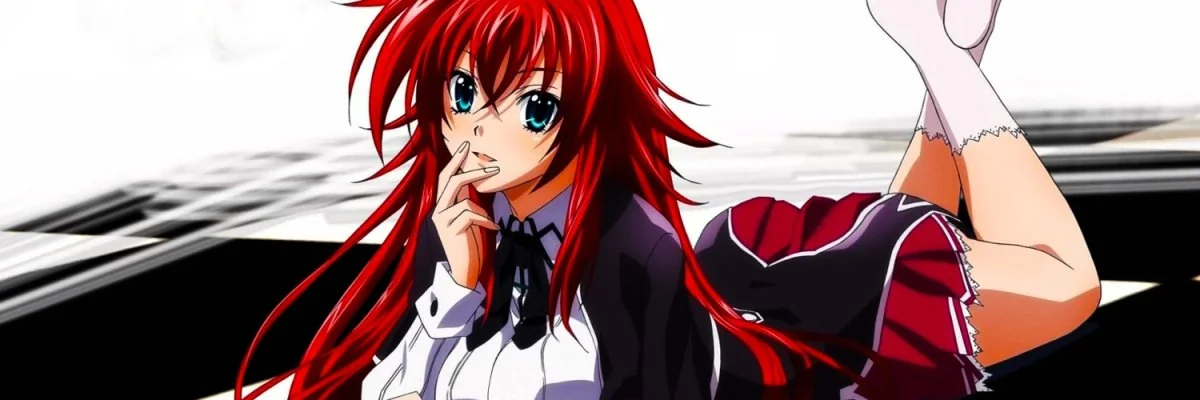
Common Elements in Ecchi Manga
Ecchi manga is a genre that often includes sexual innuendo, suggestive themes, and fanservice, but stops short of crossing into explicit content. While each series may vary, there are certain elements that are commonly found in ecchi manga:
1. Suggestive or Revealing Clothing
One of the most prominent features in ecchi manga is the use of revealing outfits. Characters, especially female ones, are often depicted wearing sexy or form-fitting clothes, which may be exaggerated for comedic or fanservice purposes. This could include characters in swimsuits, lingerie, or skimpy uniforms that highlight certain physical features without fully exposing nudity.
2. Fanservice
Fanservice is a key element of ecchi manga. It refers to content designed to please or excite the audience, often involving provocative scenarios that hint at sexuality. Common fanservice scenes include upskirts, panty shots, or accidental nudity, which are intended to appeal to the readers’ visual and emotional interests.
3. Sexual Innuendo and Double Entendres
Ecchi manga frequently uses sexual innuendos and double entendres in its dialogue. Characters may make suggestive remarks, often without fully acknowledging the sexual meaning, creating a playful and humorous atmosphere. These moments are designed to be cheeky rather than explicit.
4. Physical Comedy and Awkward Situations
Many ecchi manga feature scenes where characters are put in awkward or compromising situations that result in humorous, often sexual, outcomes. For example, a character might accidentally end up in a steamy shower with another character or find themselves in embarrassing scenarios that involve physical contact.
5. Overexaggerated Physical Features
Exaggerated body proportions are a hallmark of ecchi manga. Female characters often have larger-than-life breasts, while male characters may be depicted with muscular, idealized bodies. This over-the-top physical portrayal is often used for comic effect and fanservice, playing into the fantasy elements of the genre.
6. Romantic Tension and Harem Elements
Ecchi manga often includes romantic tension between characters, particularly when the protagonist is surrounded by multiple love interests, a common harem trope. This creates sexual and emotional tension, with the protagonist often finding themselves in situations where they have to navigate relationships, jealousy, and desire in humorous or exaggerated ways.
7. Sexual Tension Without Explicit Content
While ecchi manga may feature strong sexual tension, the content generally avoids crossing into graphic or explicit scenes. There is often a sense of build-up to intimacy, but the material stops short of showing actual sexual acts. The focus is more on playful teasing, awkwardness, and the exploration of desire rather than direct physical encounters.
8. Fantasy and Escapism
Ecchi manga is often set in worlds that allow for escapism and fantasy. These worlds may be school settings, supernatural environments, or other scenarios where the rules of society and physics can be bent to fit the narrative. The freedom these settings provide allows for the creation of situations that may be too risqué or unlikely in real life.
9. Humor and Lightheartedness
Despite the sexual content, ecchi manga is generally lighthearted and humorous. The scenes involving sexual situations are rarely serious, often emphasizing the awkwardness or absurdity of the scenarios. This humor is often what distinguishes ecchi from more explicit or serious adult genres like hentai.
10. Character Development
While ecchi manga may focus on fanservice, many series also provide character development and explore relationships. The protagonist’s personal growth or the romantic relationships they develop with other characters often serve as an important aspect of the story, making the ecchi moments feel more grounded within the narrative.
These common elements contribute to the distinct nature of ecchi manga, combining humor, sexual innuendo, and playful fanservice while maintaining a light tone that appeals to fans of this genre.
FAQ About Ecchi Manga
What is Ecchi manga?
Ecchi manga is a genre of anime and manga that features mild sexual content, often including suggestive themes, fanservice, and sexual innuendos. It focuses on creating playful sexual tension without explicit nudity or graphic scenes, distinct from genres like hentai.
What are common characteristics of Ecchi manga?
Key traits of ecchi manga include revealing clothing, sexual innuendos, physical comedy, and exaggerated body proportions. It often includes awkward situations and romantic tension, all while maintaining a lighthearted tone.
How is Ecchi different from Hentai?
Ecchi is milder and more playful, featuring suggestive content without explicit sexual scenes. In contrast, hentai is explicit and contains graphic sexual acts. Ecchi is suitable for mature audiences, while hentai is for adults.
Who is the target audience for Ecchi manga?
Ecchi manga is aimed at mature teens and adults who enjoy lighthearted and suggestive content. It appeals to those who like romantic comedies, harem stories, and slice-of-life genres with some sexual tension.
Is Ecchi manga appropriate for all ages?
Ecchi manga is intended for older teens and adults. While it avoids explicit scenes, the content may not be suitable for younger audiences due to the sexual themes and suggestive humor.
Can Ecchi manga have a meaningful story?
Yes, many ecchi manga incorporate character development, emotional depth, and complex relationships, despite focusing on fanservice and sexual innuendo. These stories often balance humor and sensuality with heartfelt moments.
What makes Ecchi manga appealing?
The appeal of ecchi manga lies in its blend of fanservice, romantic tension, and humor. It provides a playful, enjoyable experience that flirts with sensuality while keeping the tone light and fun.
Are there sub-genres within Ecchi manga?
Yes, ecchi manga spans several sub-genres, including harem, school romance, and fantasy. Some stories mix with genres like action, drama, or sci-fi, all while keeping the core ecchi elements.
Is Ecchi manga just for men?
While ecchi manga is more popular with male readers, there are also works targeting female audiences, often with reverse harem or romantic themes, broadening the genre’s appeal.
Can Ecchi manga be educational or thought-provoking?
While primarily for entertainment, some ecchi manga explore relationships, personal growth, and societal norms, offering subtle reflections on human nature and emotions alongside the fanservice.
