
A harem is a popular storytelling trope, especially in anime, manga, and light novels, where a single main character is surrounded by multiple love interests, all showing romantic or emotional attraction to that protagonist. In modern pop culture, the harem genre focuses on romantic tension, character dynamics, and often comedic or dramatic situations rather than historical meanings of the term.
Based on analyses from trusted pop-culture sources such as Wikipedia and long-term genre tracking by HariManga, harem titles consistently rank among the most-read romance and fantasy series worldwide, accounting for a significant share of serialized anime and manga releases each year.
Why does this formula remain so addictive? Is it pure fantasy, emotional escapism, or clever character writing? Continue reading to explore how the harem genre works, why it’s so popular, and how it has evolved.
What Is a Harem Genre? Core Definition and Characteristics
The harem genre is a subgenre of anime, manga, and light novels where one central protagonist is surrounded by multiple potential romantic partners at the same time, creating ongoing romantic tension, competition, and “who will they choose?” suspense. In modern fandom usage, it’s less about literal marriage and more about a romance structure built around multiple love interests.
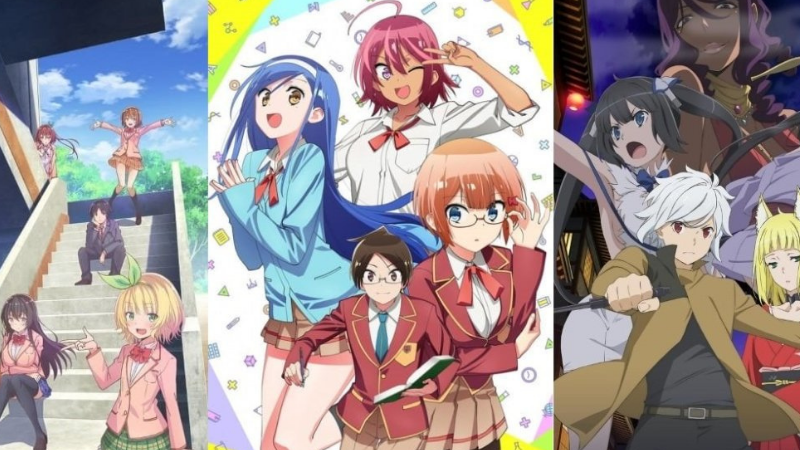
Key characteristics you’ll see in most harem stories:
- One “anchor” lead + 3+ love interests (often introduced in arcs so each character gets a spotlight).
- Parallel romantic routes: each love interest has a believable “path” to winning, even if one is clearly favored.
- Ensemble character archetypes (tsundere, childhood friend, “perfect senpai,” shy genius, etc.) that help readers quickly identify dynamics.
- Rom-com pacing: misunderstandings, accidental confessions, “almost kisses,” school festivals, beach/pool episodes, and jealous sparks.
- Self-insert and wish-fulfillment mechanics are common, especially in comedic harem series.
- Not always male-led: when a female lead is surrounded by male love interests, it’s typically labeled reverse harem (common in shōjo/josei).
At HariManga, we typically describe the harem genre as a “relationship sandbox”: the core plot engine is the rotating chemistry between the lead and multiple love interests, rather than a single linear romance.
History and Origins of the Harem Genre
In Japanese media, the harem genre is generally described as originating in the 1970s and becoming significantly more popular in the late 1980s–1990s, boosted by the rise of dating-simulator games and the broader “multi-route romance” mindset they normalized for audiences.
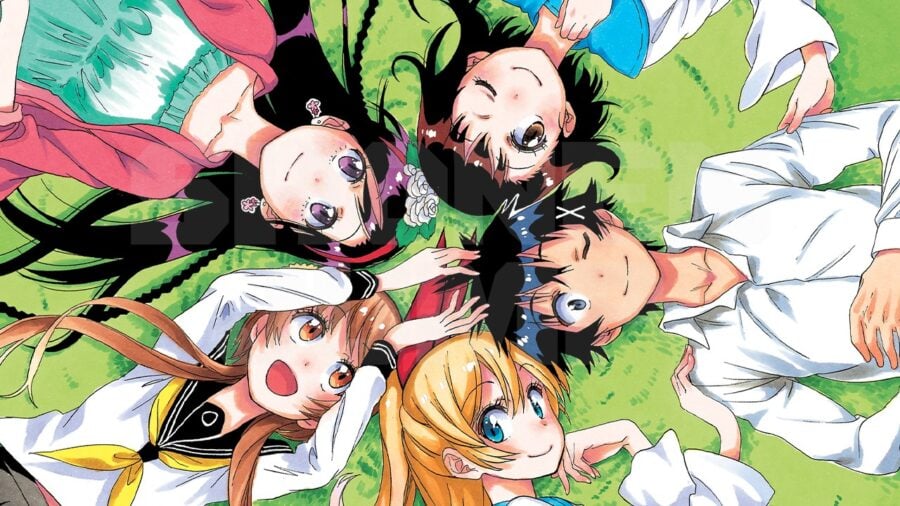
A simplified development timeline:
- Early foundations (1970s–1980s): Romance stories with multiple suitors existed earlier, but the “formula” (one lead + many active love interests) gradually crystallized in otaku-oriented media.
- Expansion via dating sims (late 1980s–1990s): Dating sims reinforced the idea that multiple romantic outcomes could exist—and that each “route” could be equally compelling.
- Modern harem identity (1990s–early 2000s): Fans often cite early anime like Tenchi Muyo! Ryo-Ohki (1992) as a “proto-blueprint,” though this is debated and more community-driven than academic canon.
- Mainstream breakthrough (late 1990s–2000s): Titles such as Love Hina helped define the “rom-com harem” template for manga readers (school/boarding-house setting, escalating misunderstandings, rotating heroine arcs).
Over time, the genre diversified into subtypes (fantasy harems, supernatural harems, “meta” harems, and reverse harems), but the core structure—multiple love interests orbiting one lead- remained stable.
Types of Harem Genres
The harem genre is best understood as a framework that can blend with many other genres. Here are the most common types readers search for:
Classic Rom-Com Harem
- Focus: comedy + romantic competition in familiar settings (school, dorm, part-time jobs).
- Why it works: easy entry, strong character archetypes, high “shipping” engagement.
- Example: Nisekoi (rom-com harem in a high school/gang-family premise).
Slice-of-Life Harem
- Focus: daily interactions and slow-burn relationship progress.
- Example: We Never Learn (school tutoring + multiple heroine routes/angles).
Supernatural / Fantasy Harem
- Focus: romance plus monsters, magic, or paranormal rules that intensify stakes.
- Examples: Rosario + Vampire (monster academy), The World God Only Knows (supernatural “conquest” setup).
Action Harem
- Focus: battles, missions, power systems—romance rides alongside progression.
- Reader benefit: a faster plot engine than pure rom-com.
Ecchi-leaning Harem
- Focus: heavier fanservice and “accidental intimacy” comedy, while still (usually) staying non-explicit.
- Example: To Love Ru is frequently tagged as harem + rom-com with sci-fi elements.
Reverse Harem
- Focus: a female protagonist surrounded by multiple male love interests (often shōjo/josei tone).
- Example: Ouran High School Host Club is widely categorized as reverse harem + romantic comedy.
“True Harem” / Poly-End Structure
- Focus: the story explicitly supports multiple relationships at once (rarer in mainstream manga).
- Note: Many series tease this, but few fully commit.
Why Is the Harem Genre So Popular?
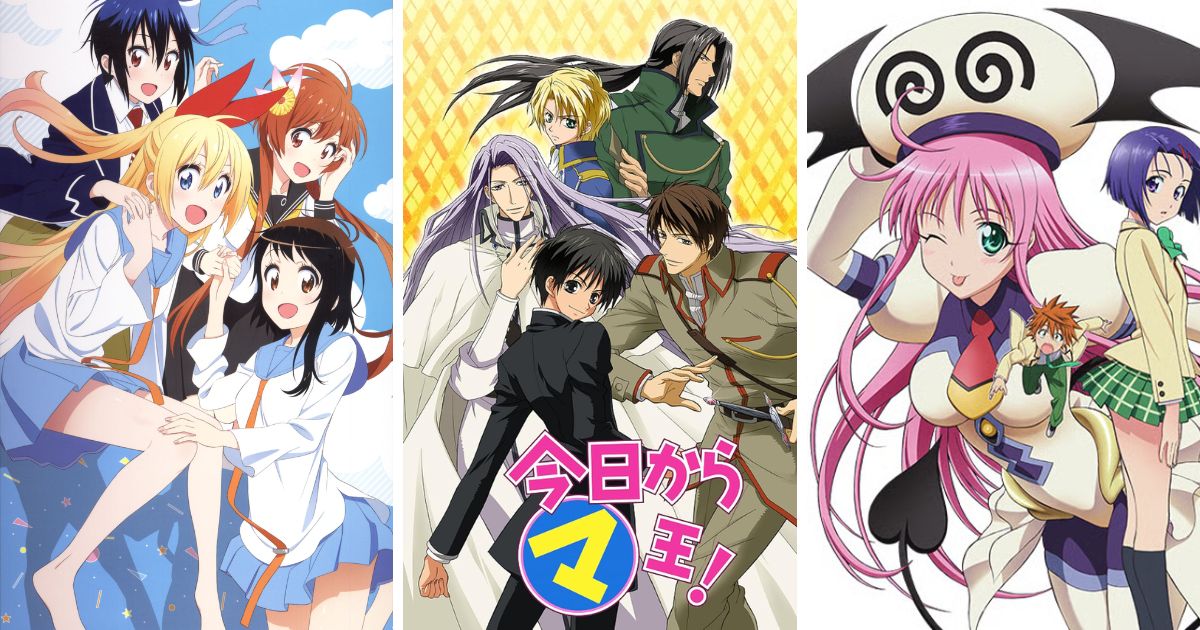
The harem genre stays popular because it reliably delivers repeatable emotional beats that keep readers turning pages—especially in weekly/serial formats.
Top reasons it works:
- Cast variety = wider appeal: readers can attach to different archetypes and personalities without leaving the same story.
- Built-in suspense: each arc can feel like a “route preview,” encouraging debate and long-term investment.
- Self-insert accessibility: many works use a “relatable” lead so audiences can project, particularly in comedic harems.
- High community engagement: harems create natural “Team A vs Team B” conversations, driving comments, rereads, and fan content.
- Flexible genre mixing: harem works in rom-com, fantasy, supernatural, school life, and even mystery frameworks.
- Adaptation-friendly: the ensemble format helps anime studios market multiple characters (merchandising, popularity polls, events).
From a reader-behavior perspective, harems are “sticky”: even if you predict the endgame, you still want to see how each heroine’s moment is written.
Best Harem Manga
Below is a practical “starter shelf” of widely recognized harem manga, chosen for influence, readability, and variety (from classic rom-com to supernatural and parody). Availability and age ratings vary by publisher/region.
Love Hina — Ken Akamatsu
A foundational rom-com harem manga that helped popularize many modern tropes.
Nisekoi: False Love — Naoshi Komi
High-energy romantic comedy with strong heroine arcs and a long-running “promise” mystery.
We Never Learn — Taishi Tsutsui
A school-focused harem rom-com that leans into multiple “what-if” romance outcomes.
To Love Ru — Saki Hasemi (story), Kentaro Yabuki (art)
A harem rom-com with sci-fi setup and heavier fanservice; very influential in ecchi-leaning harem culture.
The Quintessential Quintuplets — Negi Haruba
Tutor-meets-five-sisters competitive romance built around identity, growth, and a long-form bride mystery.
The World God Only Knows — Tamiki Wakaki
A clever “meta” harem concept where the lead applies dating-game logic to real relationships—blends comedy and supernatural structure.
Rosario + Vampire — Akihisa Ikeda
Monster-school supernatural harem with action beats and a classic “ordinary guy in extraordinary setting” hook.
Strawberry 100% — Mizuki Kawashita
A classic Shōnen Jump harem rom-com known for strong romance melodrama and era-defining vibes.
Yamada-kun and the Seven Witches — Miki Yoshikawa
Supernatural school comedy with harem dynamics built into its “witch power” premise.
The 100 Girlfriends Who Really, Really, Really, Really, Really Love You — Rikito Nakamura (story), Yukiko Nozawa (art)
A modern parody that escalates the harem premise to absurd extremes—fast, chaotic, and intentionally over-the-top.
If you’re publishing on HariManga, a strong SEO approach is to group recommendations by reader intent (classic rom-com, supernatural/action, ecchi-leaning, parody) so both humans and AI can scan quickly.
FAQ – What Is a Harem?
What is a harem genre in anime and manga?
A harem genre story features one main character with multiple simultaneous love interests, creating ongoing romantic competition and tension.
What’s the difference between harem and reverse harem?
Harem usually means a male lead with multiple female love interests; reverse harem is typically a female lead with multiple male love interests (common in shōjo romance).
Does a harem story need at least three love interests?
In most fandom definitions, yes—3+ active love interests is the common threshold, though edge cases exist.
Are all harem manga ecchi?
No. Many are clean rom-com or slice-of-life. Ecchi is a separate “content intensity” layer that some harem manga use, while others don’t.
Do harem stories always end with one winner?
Not always. Many do choose one endgame partner, but some use multiple endings, open endings, or rare “true harem” resolutions depending on author intent and publisher strategy.
What’s the best harem manga for beginners?
If you want a modern, balanced entry: The Quintessential Quintuplets; for classic tropes: Love Hina; for meta/comedy: The World God Only Knows.
You may also like:
What Is Shoujo Manga? Definition, History, and Best Titles To Read
What is Ecchi? A Complete Guide to Understanding Ecchi and Its Popularity
What Do Dots Next to Japanese Characters Mean in Manga?
