
One Piece Manga Characters span thousands of names, but the villains are the ones who most reliably define the manga’s emotional peaks and political stakes.
The most brutal antagonists in One Piece are not just “strong.” They occupy nations, erase identities, normalize slavery, weaponize children, and turn justice into a machine. This guide highlights 19 unforgettable villains whose cruelty reshaped lives and forced the Straw Hats (and the world) to evolve.
HariManga team shares: “Brutal” in One Piece is rarely about body count alone. Oda’s most haunting villains are the ones who make suffering feel like policy, culture, or entertainment.
One Piece Manga Characters Summary
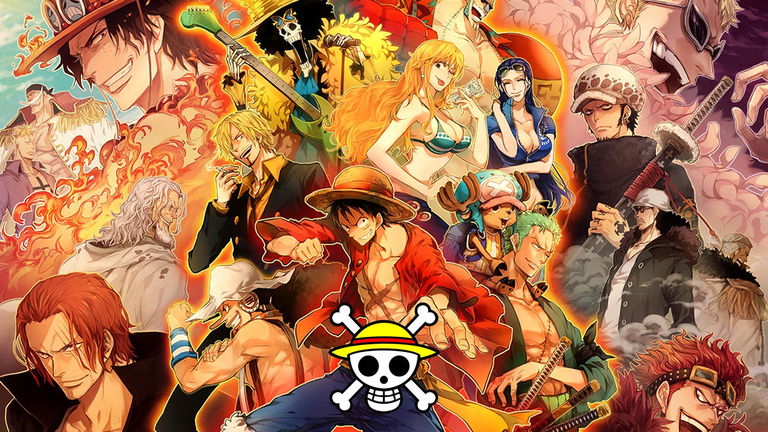
One Piece Manga Characters can be understood quickly by the systems they live under, and most of the villains below become terrifying because they master one of these systems.
Quick breakdown of villain ecosystems
- Pirate tyrants
They rule through extortion, occupation, and fear. They convert “freedom” into a toll. - World Government and Celestial Dragon power
Their cruelty is structural: slavery, censorship, and erasure carried out with legal cover. - Absolute Justice Marines
When “justice” becomes ideology, compassion becomes a weakness and civilians become collateral. - Cipher Pol assassins and enforcers
They embody state violence that feels clean, quiet, and unavoidable. - Scientists and experimenters
They turn people into materials, often creating the series’ most disturbing body-horror.
If your search intent is “help me understand the major One Piece villains fast,” this list is designed to give you who they are, what they did, why it matters, and what their brutality represents.
How HariManga Picked These 19 Brutal Villains
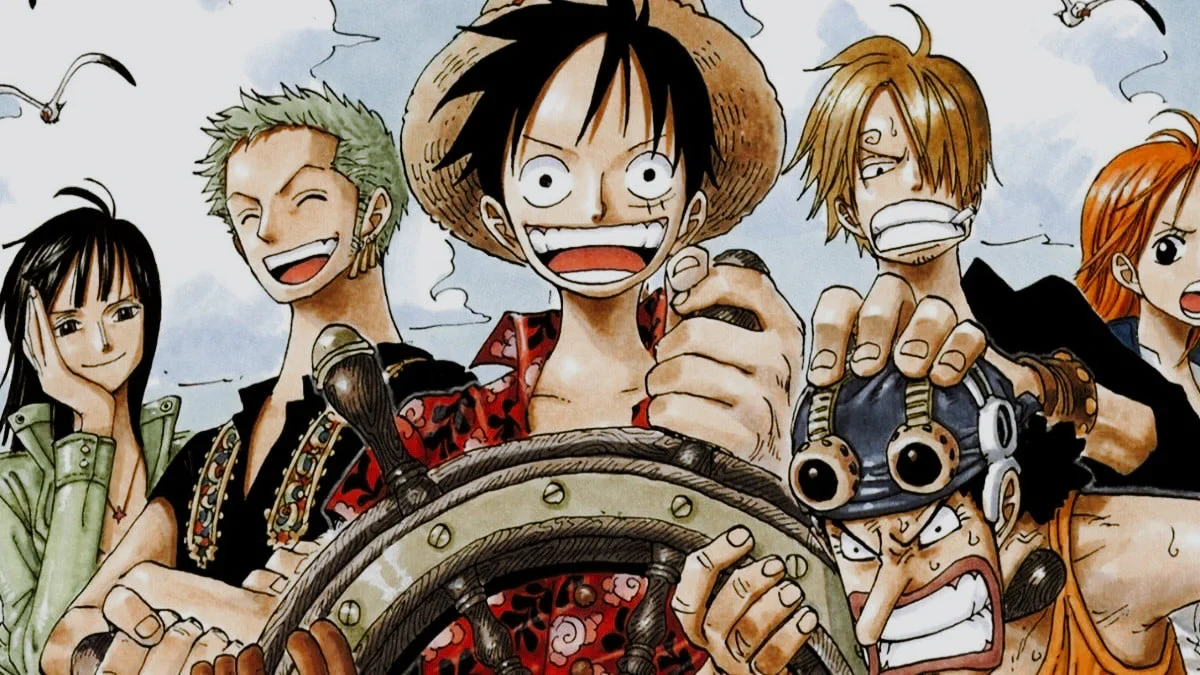
We used four criteria to keep this list deep, broad, and genuinely useful.
Brutality with lasting consequences
These villains don’t just hurt protagonists. They damage communities, families, and entire countries, leaving scars that persist after their arc ends.
Worldbuilding impact
Many of these antagonists introduce or embody major One Piece institutions: Warlords, Cipher Pol, the Yonko system, the World Government’s hidden power, and the ideology behind “justice.”
Distinct ideology or method
The most memorable One Piece villains aren’t interchangeable. Each represents a specific kind of cruelty: colonialism, propaganda, scientific abuse, bureaucratic violence, or inherited entitlement.
Manga relevance
These are villains that matter in manga continuity and conversation, not just one-off threats.
The 19 Brutal Villains You’ll Never Forget
Arlong
Arlong is an early villain who proves One Piece can be emotionally ruthless. His brutality is personal and political at once: he takes a village, takes its future, and turns daily life into a hostage situation.
Why he’s brutal
Arlong’s cruelty is “administrative.” He creates a system where:
- Money becomes survival and survival becomes obedience.
- Hope becomes punishable because resistance invites collective punishment.
- People internalize fear because the threat is permanent, not temporary.
Why he’s unforgettable
Arlong defines what freedom means in One Piece. Luffy is not just fighting a pirate. He’s fighting a regime that made ordinary people accept misery as normal.
HariManga team share: Arlong Park is where many readers realize One Piece villains can hurt you without needing a complex power reveal. Oppression is the power.
Crocodile
Crocodile is brutal because he weaponizes politics. He doesn’t rely on terror alone. He manufactures a narrative, turns citizens against each other, and tries to seize a nation by controlling its perception of truth.
Why he’s brutal
Crocodile’s cruelty includes:
- Engineered civil conflict that forces the oppressed to fight each other.
- Scarcity manipulation that turns basic needs into bargaining chips.
- Legitimacy laundering, where he hides his coup behind public “hero” status.
What makes him terrifying in One Piece terms
He represents the moment One Piece shifts from “pirates are the problem” to “systems can be the problem.” Crocodile shows that villainy can look like governance.
Enel
Enel’s brutality is what happens when a god complex becomes policy. He turns surveillance, punishment, and superstition into a religion of fear.
Why he’s brutal
- Omnipresence as terror: Enel creates the feeling that there is no safe space.
- Punishment rituals: He makes suffering feel ceremonial, like a demonstration.
- Mass-scale ambition: His threat is not limited to a single duel. It’s existential to everyone under his rule.
Why he’s unforgettable
Enel is memorable because his arc captures a universal fear: a ruler who believes he is divine cannot be reasoned with. Only resisted.
Rob Lucci
Rob Lucci is brutal because he treats violence as a job, and he is proud of doing the job well. His calmness is part of the horror.
Why he’s brutal
Lucci represents a kind of cruelty that has no messy emotion:
- Dehumanization: Victims are targets, not people.
- Cold certainty: He is not conflicted about killing.
- Institutional backing: He kills under a banner that claims righteousness.
Why he’s unforgettable
Lucci embodies the fear that the state can send someone to erase you and that person will do it with perfect composure.
Spandam
Spandam is not the strongest villain here, but he may be one of the most realistic. He is cruelty empowered by bureaucracy: a weak man protected by the system, using authority as a weapon.
Why he’s brutal
- Abuse without competence: He hurts people not because he’s formidable, but because he’s permitted.
- Paperwork violence: He can trigger catastrophic consequences through “procedure.”
- Cowardice as harm multiplier: He panics, blames others, and escalates cruelty to cover his weakness.
Why he’s unforgettable
Spandam proves an unsettling truth: the scariest villains are sometimes the ones who can ruin your life while being pathetic.
Gecko Moria
Moria’s brutality is existential. He steals shadows, steals agency, and reduces identity to inventory.
Why he’s brutal
- Identity theft: Your shadow is not just a gimmick, it’s your vitality and autonomy.
- Desecration: He treats bodies and legacies like props.
- Psychological horror: Victims are forced into helplessness, living as hollow versions of themselves.
Why he’s unforgettable
Moria turns a gothic comedy vibe into something quietly terrifying: a villain who can take “you” away without killing your body.
Magellan
Magellan represents brutality as an institution. Impel Down is designed to erase people, and Magellan enforces that design with lethal certainty.
Why he’s brutal
- Suffering as deterrence: The prison’s purpose is not rehabilitation. It’s despair.
- Environment as weapon: The structure itself does the damage, and Magellan is its final authority.
- No room for mercy: In his domain, the system’s cruelty becomes “normal.”
Why he’s unforgettable
Magellan embodies the dread of being trapped in a system built to break you, where escape is treated as a moral crime.
Sakazuki (Akainu)
Akainu is brutal because his cruelty is ideological. He doesn’t believe he’s committing atrocities. He believes he’s maintaining order.
Why he’s brutal
- Absolute Justice: When justice is absolute, empathy becomes treason.
- Collateral as strategy: Lives are expendable if the state’s image is protected.
- Fear as governance: His presence communicates that disobedience will be annihilated, not corrected.
Why he’s unforgettable
Akainu represents the danger of moral certainty paired with immense power. In One Piece, that combination is catastrophic.
HariManga team share: One Piece often critiques piracy, but Akainu proves Oda’s critique of “justice” can be even harsher.
Marshall D. Teach (Blackbeard)
Blackbeard is brutal because he makes betrayal feel inevitable. His villainy is opportunistic: he uses chaos like fuel, and he views people as resources to be spent.
Why he’s brutal
- Loyalty as currency: He trades allies the way others trade treasure.
- Power hunger without restraint: He doesn’t fear imbalance, he seeks it.
- Predation disguised as freedom: He sells ambition as destiny, then devours anyone in the way.
Why he’s unforgettable
Blackbeard feels like a “natural disaster villain.” He does not need a noble justification. He is the worst version of piracy’s promise: freedom without conscience.
Hody Jones
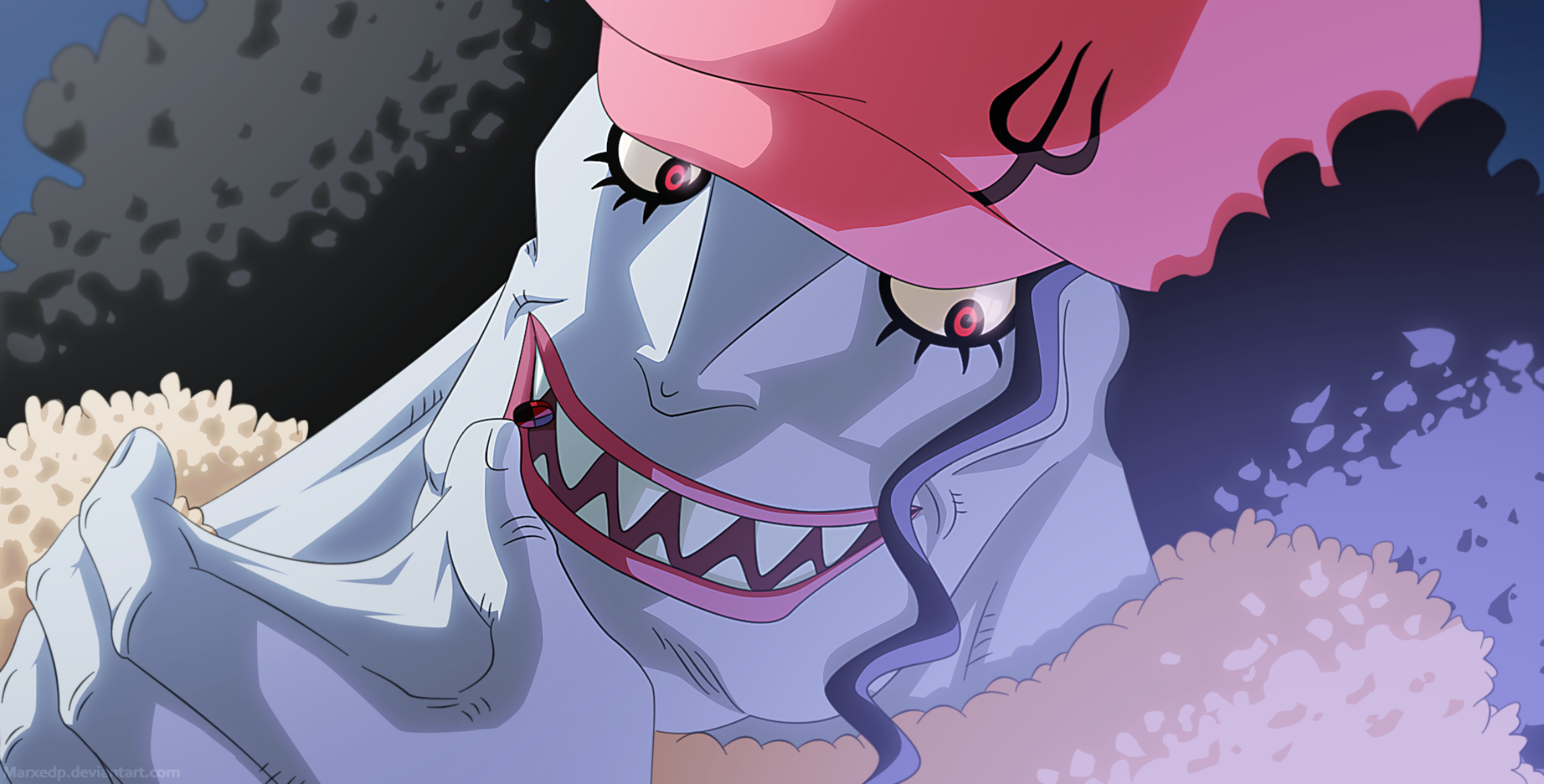
Hody’s brutality is poisonous because it is inherited hate. He demonstrates how violence can be powered by ideology even when personal grievance is absent.
Why he’s brutal
- Hate as identity: He defines himself through hostility, not aspiration.
- Escalation addiction: He chooses destruction even when peace is achievable.
- Social contagion: His cruelty spreads by recruiting resentment.
Why he’s unforgettable
Hody is a reminder that the most destructive villainy sometimes isn’t “evil genius.” It’s hatred made normal, repeated until it becomes culture.
Caesar Clown
Caesar is scientific brutality in its ugliest form. He treats living beings as lab materials, and he uses spectacle to distract from the horror of his “research.”
Why he’s brutal
- Human experimentation without remorse.
- Weaponized chemicals and gas used casually.
- Child exploitation: He treats children as test subjects and inventory.
Why he’s unforgettable
Caesar is terrifying because his cruelty is petty and practical. He is not a mythic tyrant. He is the kind of villain who exists anywhere power meets profit and ethics are optional.
Donquixote Doflamingo
Doflamingo is one of the most iconic villains in One Piece because his brutality is layered: charisma, political manipulation, spectacle, and cruelty that makes a whole country feel trapped.
Why he’s brutal
Doflamingo’s tyranny works on multiple levels:
- Nation-scale control: He turns governance into a fear machine.
- Public humiliation: He breaks people socially, not just physically.
- Forced loyalty: “Family” is coerced into obedience, not formed through care.
- Manufactured truth: He makes reality feel negotiable, like perception is his property.
Why he’s unforgettable
Doflamingo is the villain who best shows Oda’s understanding of authoritarianism: people adapt to cruelty when it becomes routine, especially when it’s wrapped in spectacle.
HariManga team share: Dressrosa hits hard because the villain isn’t only strong. The villain is a system with a smile.
Charlotte Linlin (Big Mom)
Big Mom is brutal because her tyranny is domestic and imperial at the same time. She builds an empire out of family, but “family” becomes a weapon, not a sanctuary.
Why she’s brutal
- Children as assets: Her family structure is also a political structure.
- Affection as a trap: Love is conditional, volatile, and dangerous.
- Civilians pay tribute: Her “utopia” is built on fear and extraction.
Why she’s unforgettable
Big Mom’s cruelty feels unpredictable. A predictable tyrant is terrifying. A tyrant whose emotions can collapse a city is worse.
Kaido
Kaido is brutal because he industrializes oppression. His rule is extraction: resources, labor, hope, dignity, and future. He makes a country function like a factory for someone else’s ambition.
Why he’s brutal
- Occupation economics: People are forced into production and punished for weakness.
- Strength as morality: Worth is measured by power, not humanity.
- Spirit-breaking: He doesn’t just want enemies defeated. He wants them to kneel.
Why he’s unforgettable
Kaido represents the New World’s harshest truth: bravery doesn’t guarantee survival when the system rewards monsters.
Kurozumi Orochi
Orochi’s brutality is cowardly, and that makes it nauseating. He thrives behind protection, weaponizes law, and punishes entire populations for old grudges.
Why he’s brutal
- Political cruelty: He uses titles and policy to legitimize suffering.
- Collective punishment: Entire communities suffer for the sins of history.
- Cruelty as entertainment: Misery becomes a spectacle he enjoys.
Why he’s unforgettable
Orochi proves that villainy doesn’t require greatness. Sometimes it’s just pettiness amplified by power and protected by stronger predators.
Admiral Aramaki (Ryokugyu, Green Bull)
Ryokugyu is brutal because he represents “justice” without empathy. He’s a reminder that the Marines can be heroic, but also can produce enforcers who treat cruelty as order.
Why he’s brutal
- Ruthlessness as posture: He attacks to assert dominance, not to protect.
- Ideological coldness: He frames hierarchy and oppression as natural, which is always a warning sign in One Piece’s moral language.
- Selective humanity: He embodies the danger of a world where some people are considered less deserving of rights.
Why he’s unforgettable
He signals a late-stage escalation: the state’s violence no longer needs to pretend it’s benevolent.
Imu
Imu is brutal because their power is structural and hidden. Unlike most villains who conquer loudly, Imu embodies control from the shadows: censorship, erasure, and world order engineered as secrecy.
Why Imu changes the villain conversation
- A concealed sovereign: Imu reframes the World Government as a regime with a hidden ruler.
- Erasure as policy: The most terrifying power is the ability to remove people, events, and truths from history.
- Silence as violence: Imu’s brutality is felt through what the world is not allowed to know.
Why fans won’t forget Imu
Because Imu turns One Piece’s political horror into a direct, personal threat: the “world system” is not abstract. Someone steers it.
HariManga team share: Imu is scary because they represent the end of the illusion. If the world is controlled, then freedom has to fight a face, not a rumor.
Saint Jaygarcia Saturn
Saturn is brutal because he represents the Five Elders stepping from distant authority into direct enforcement. His presence signals that the highest level of the World Government is willing to personally ensure compliance.
Why he’s brutal
- Elite state cruelty: Saturn embodies the idea that suffering can be “official.”
- Negotiation denial: When this level of authority appears, it implies the system is done pretending.
- Power with entitlement: The cruelty isn’t framed as necessity. It’s framed as prerogative.
Why he’s unforgettable
Saturn’s involvement expands One Piece from “pirates vs Marines” into “pirates vs the architects of the world.”
Saint Charlos (Celestial Dragon)
Saint Charlos is unforgettable because he demonstrates how cruelty can be normalized by culture. He is not a mastermind, and that is precisely why he is horrifying.
Why he’s brutal
- Slavery as entitlement: He treats humans like collectibles.
- Violence without consequence: The system protects him, so he never learns limits.
- Casual dehumanization: He doesn’t see others as people, and his society reinforces that view.
Why he’s unforgettable
Charlos is One Piece’s reminder that the darkest villainy can be banal. When power is inherited and unaccountable, cruelty becomes routine.
What Makes These One Piece Villains So Memorable?
One Piece villains persist in fandom because Oda writes them as more than “boss fights.” They often function like world rules with personalities.
They embody oppression readers recognize
Even in a pirate fantasy, these themes feel real:
- Occupation and tribute
- Propaganda and censorship
- Prisons built to erase
- Science without ethics
- Inherited entitlement
- Ideological “justice”
They force growth that sticks
Great villains change protagonists permanently:
- Luffy learns that liberation is political as well as personal.
- The Straw Hats learn that saving a friend can mean challenging a regime.
- The world learns that “balance” often protects the powerful, not the innocent.
They leave consequences behind
A defeated villain doesn’t erase damage:
- Nations must rebuild.
- Trauma shapes future choices.
- Power vacuums invite new predators.
HariManga team share: This is why One Piece villain arcs feel bigger than a fight. They feel like history being rewritten.
How to Use This Guide as a Reader
If your real intent behind One Piece Manga Characters is “help me remember the major villains and what they represent,” here are two quick reading modes.
Fast refresher mode
Focus on the villains that define saga-level shifts:
- Arlong for early oppression and personal trauma.
- Crocodile for propaganda, civil conflict, and political coups.
- Lucci and Spandam for the World Government’s enforcement machinery.
- Akainu for ideology-driven brutality inside “justice.”
- Doflamingo for tyranny plus spectacle.
- Big Mom and Kaido for Yonko-scale oppression.
- Imu and Saturn for endgame-level regime authority.
Category mode
If you want “most brutal” by style:
- Tyrants of nations: Arlong, Crocodile, Doflamingo, Kaido, Orochi
- Institutional villains: Lucci, Spandam, Magellan, Akainu, Saturn
- Body-horror and experimentation: Caesar, Moria
- Ideology extremists: Hody, Ryokugyu
- Hidden sovereign power: Imu, Celestial Dragons (Charlos as symbol)
FAQ – One Piece Manga Characters
Who are the most brutal villains among One Piece manga characters?
Doflamingo, Kaido, Akainu, Caesar Clown, and Imu are among the most brutal because their actions harm entire populations or reshape world-level power.
Are One Piece villains usually pirates or the World Government?
Both. One Piece uses pirate tyrants to show local oppression and the World Government to show systemic oppression.
Why is Doflamingo considered one of the best One Piece villains?
He combines charisma, political manipulation, spectacle, and cruelty, making him feel like a full regime rather than a simple arc boss.
Is Akainu a villain if he is a Marine?
He becomes villain-coded when his “Absolute Justice” ideology treats civilians and soldiers as expendable tools for state authority.
Why is Caesar Clown’s arc so disturbing?
Because his cruelty is scientific and mundane: experimentation, chemical harm, and exploitation framed as “research.”
Is Blackbeard evil or just ambitious?
He is brutal because ambition is his excuse for predation. He uses betrayal and chaos as standard tools, not last resorts.
What makes Kaido’s villainy different from earlier arc villains?
Scale and method. Kaido industrializes oppression, turning a nation into an extraction economy and trying to break spirits, not just bodies.
Are the Celestial Dragons truly villains in One Piece?
As a class, they symbolize inherited, unaccountable power and normalized cruelty. Charlos is an especially blatant example of that entitlement.
Why do One Piece villain arcs often involve controlling a country?
Because One Piece treats freedom as political. A villain who controls a nation creates the clearest contrast to Luffy’s liberator role.
Where should I start in the manga for the best villain-focused arcs?
Many readers begin with Arlong Park, then move through Alabasta (Crocodile), Water 7 and Enies Lobby (Cipher Pol), Marineford (Akainu), Dressrosa (Doflamingo), Whole Cake Island (Big Mom), and Wano (Kaido) for the most villain-driven stretches.
You may also like:
How Old Is Makima? 5 Brutal Facts Fans Keep Missing
Why Did Makima Kill Power? 9 Dark Facts Fans Still Can’t Accept
Chainsaw Man Characters: 27 Iconic Picks That Will Blow Your Mind
