
The main characters of Blue Lock are Yoichi Isagi, Meguru Bachira, Rin Itoshi, Seishiro Nagi, Reo Mikage, Hyoma Chigiri, Rensuke Kunigami, Shoei Barou, Ryusei Shidou, and Jinpachi Ego. These are the characters the story returns to again and again as the project evolves from internal selection matches to national level showdowns and pro-style development.
If you are reading on HariManga, this guide explains who the main cast is, what each character’s “weapon” means, and why each one stays central even as the roster expands.
What does “main characters” mean in Blue Lock?
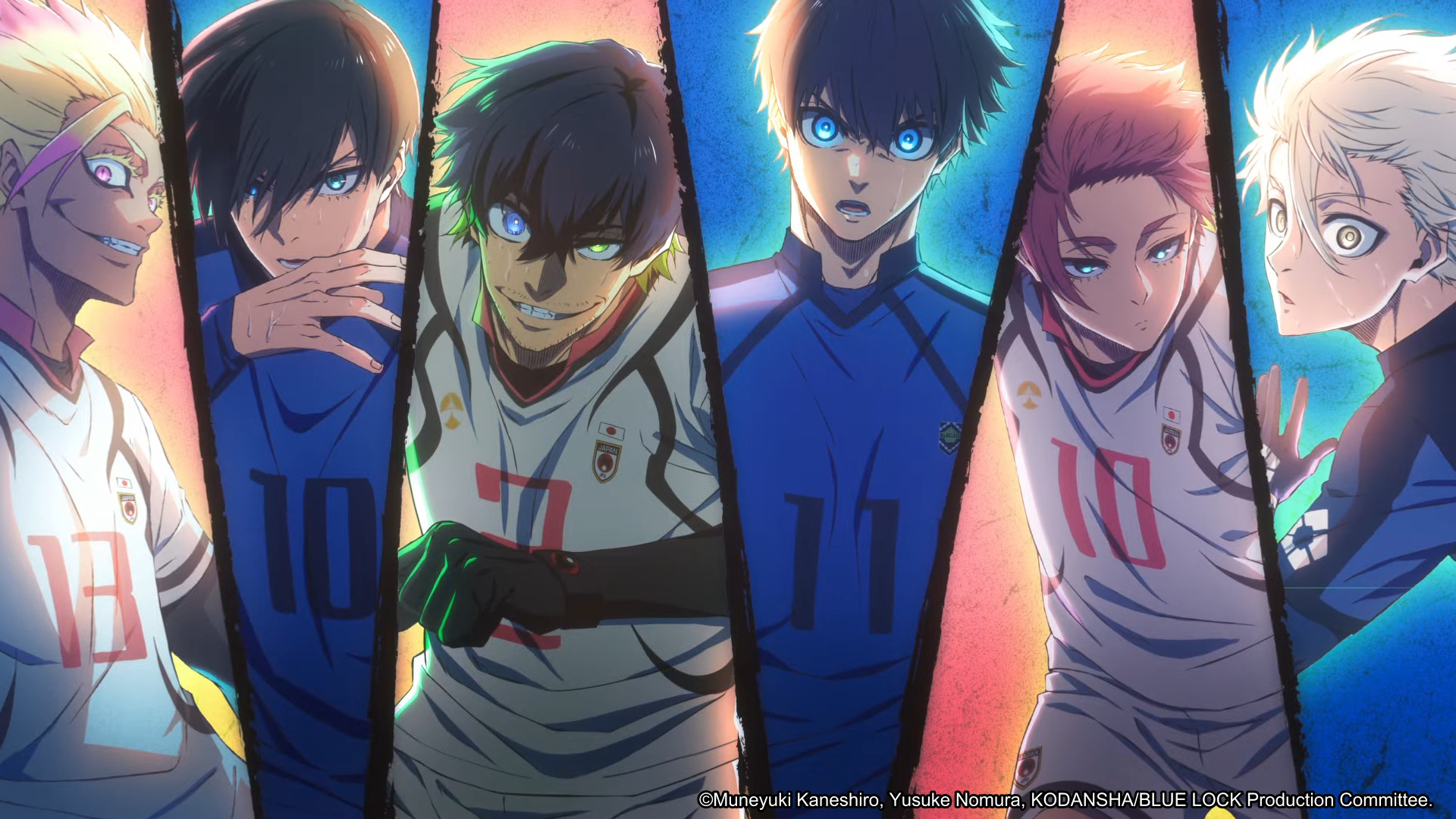
Blue Lock has a huge roster, so “main characters” can mean different things depending on how you define it. The most accurate definition is not “the strongest” or “the most popular.” It’s the characters who consistently meet these criteria:
- Narrative gravity: The plot repeatedly pivots around their decisions, growth, or clashes.
- Weapon evolution: Their skills and playstyle change on-screen in a way that becomes a major story event.
- Rivalry network: They trigger development in multiple other characters, not just one.
- Arc relevance: They remain important across more than one major stage of the Blue Lock program.
By that definition, Blue Lock has one clear protagonist and a core ensemble who repeatedly shape the story’s direction.
The main characters list
If you want a fast answer you can copy into your notes, this is the core cast:
- Yoichi Isagi: protagonist and evolution engine
- Meguru Bachira: creativity, dribbling, and early emotional anchor
- Rin Itoshi: the elite benchmark rival
- Seishiro Nagi: genius prodigy with extreme touch control
- Reo Mikage: versatile all-rounder and Nagi’s defining relationship
- Hyoma Chigiri: speed specialist with a major mental barrier arc
- Rensuke Kunigami: power-forward archetype whose identity gets tested
- Shoei Barou: the king ego archetype who forces matches around him
- Ryusei Shidou: penalty-area predator and chaos striker
- Jinpachi Ego: the program’s architect and philosophical driver
You will also see a second layer of “near-main” characters (like Anri, Sae, Kaiser, Hiori, Niko, and Gagamaru) who can dominate certain arcs, but the list above is the most stable definition of “main characters of Blue Lock.”
Why Blue Lock main characters feel different from typical sports casts
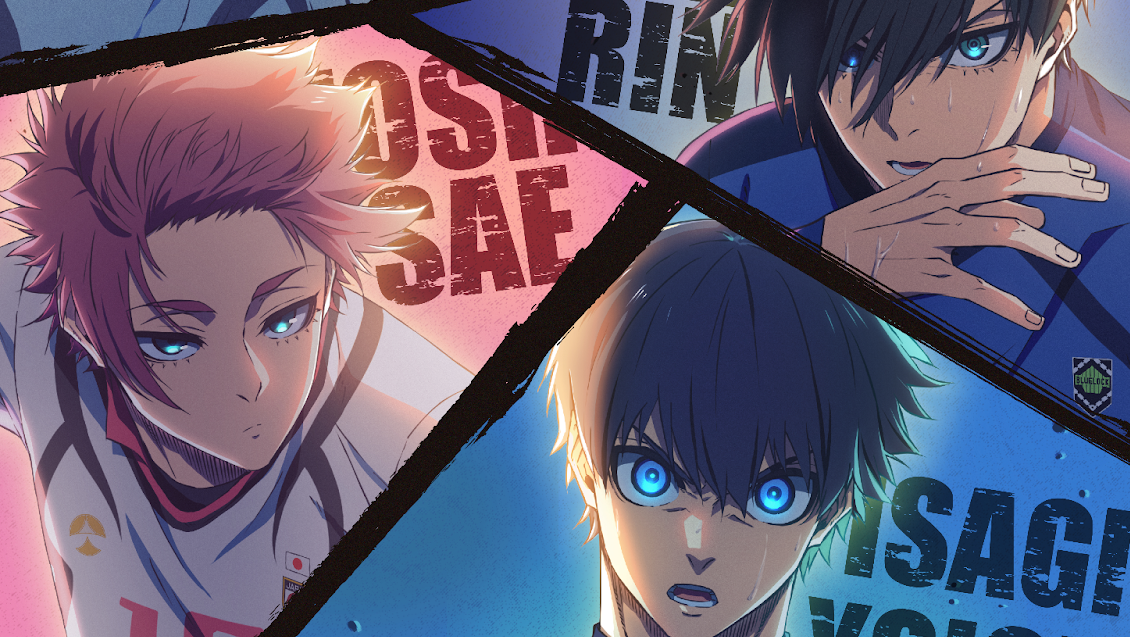
In many sports series, the main cast is defined by positions and teamwork. Blue Lock flips that. Characters are defined by identity and scoring philosophy.
Each main character is built around:
- A weapon: A repeatable advantage that creates goals. It can be technical, physical, tactical, or psychological.
- An ego: Not just arrogance. In Blue Lock, ego is the willingness to impose your vision of a goal on the match.
- A pressure response: Blue Lock is a stress test. The main characters are the ones who evolve under pressure instead of breaking.
- With that in mind, here is the core cast in detail.
Yoichi Isagi
Who he is
Yoichi Isagi is the protagonist of Blue Lock and the character the series uses to prove its main thesis: a striker can be built through evolution, not just talent.
Isagi starts with a painful limitation. He is not the fastest, strongest, or flashiest. His power is something far more valuable in a high-level match:
He understands the field.
Isagi’s weapon
Isagi’s signature weapon is spatial awareness and match reading. He sees patterns, timing, and empty lanes earlier than others. In Blue Lock terms, he smells where a goal will be born.
This is why Isagi keeps surviving. Even when he is outclassed physically, he can still win by solving the puzzle faster.
Why Isagi is a main character
Isagi is central because his growth is the story’s structure. Blue Lock repeatedly follows this loop through him:
- He loses or fails to score
- He identifies the reason with brutal honesty
- He reconstructs his playstyle
- He returns stronger and more ruthless
Isagi is also the hub of the rivalry network. Many major characters either want to devour him, surpass him, or prove they are superior to his reading of the game.
Isagi’s most important relationships
- Bachira: the first major bond that turns isolation into growth
- Rin: the benchmark rival who forces Isagi’s ceiling upward
- Nagi: the genius who challenges Isagi’s “earned growth” path
- Barou: the king who forces Isagi to learn domination tactics
- Shidou: the reminder that pure goal instinct can be monstrous
If you only follow one character, follow Isagi. If you follow Isagi, you will understand the series.
Meguru Bachira
Who he is
Meguru Bachira is the creativity core of Blue Lock. He is the character who makes football look like art and danger at the same time.
Bachira matters because Blue Lock is full of cold ambition. Bachira brings something rarer: joy. And in this series, joy becomes a weapon.
Bachira’s weapon
Bachira’s weapon is unpredictable dribbling and improvisational rhythm. He can break defenders 1v1 because they cannot match his timing or understand his decision pattern.
His style is not linear. It is elastic. He changes tempo, angles, and intent mid-move.
Why Bachira is a main character
Bachira is central because he does two jobs:
He shapes early Blue Lock identity
He introduces the idea that ego can be creative, not only cruel.
He anchors the protagonist emotionally
His early bond with Isagi is one of the story’s first “true connections,” and it becomes a catalyst for both of their growth arcs.
What Bachira represents
Bachira is the proof that Blue Lock is not only about being selfish. It’s about being authentic. His ego is pure. He is not trying to look cool. He is trying to play the football that feels real to him.
That sincerity is why fans remember him, and why he stays main-cast relevant.
Rin Itoshi
Who he is
Rin Itoshi is Blue Lock’s cold benchmark rival. When the story wants to show what the top of the program looks like, it uses Rin.
Rin’s presence changes the atmosphere of a match. He is not a “talented kid.” He is a system of control.
Rin’s weapon
Rin’s weapon is a total-package striker toolkit, defined by:
- elite precision and finishing
- tactical control of tempo
- the ability to dominate both opponents and teammates through performance
Rin is terrifying because he does not need chaos. He creates order and wins inside it.
Why Rin is a main character
Rin remains central because:
- he defines the ceiling other players chase
- he has a deep personal drive that goes beyond Blue Lock itself
- his rivalry with the protagonist and other elites keeps escalating the story’s scale
Rin is not written as a temporary obstacle. He is written as a pillar of the entire project.
What Rin represents
Rin represents the most dangerous version of ego: obsession refined into excellence.
Seishiro Nagi
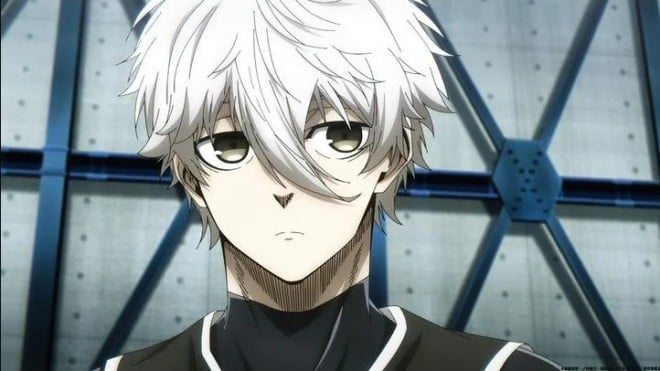
Who he is
Seishiro Nagi is the genius prodigy of Blue Lock. He begins as someone who does not even care about football, yet his talent is so extreme that it forces everyone to adapt.
Nagi is a main character because the story keeps returning to one question:
What happens when effortless talent finally meets a challenge it cannot ignore?
Nagi’s weapon
Nagi’s weapon is superhuman first touch and trapping. He can control impossible balls and convert awkward situations into shot opportunities instantly.
This makes him a highlight-machine, but it also makes him narratively dangerous because he can change a match with one moment of brilliance.
Why Nagi is a main character
Nagi stays central because:
- His growth is not about learning skills, it’s about learning desire
- His relationship with Reo is one of the series’ most defining bonds
- His talent creates direct rivalry tension with players who built their strength through struggle
What Nagi represents
Nagi represents natural genius and the cost of staying lazy. Blue Lock forces him to learn that talent alone is not an identity. Identity requires intention.
Reo Mikage
Who he is
Reo Mikage is the versatile architect type. He is rich, ambitious, and obsessed with achieving a dream that requires more than money.
Reo is often misunderstood as “Nagi’s friend,” but he is far more important than that. His story is about self-definition.
Reo’s weapon
Reo’s weapon is adaptability and all-round competence. He can do many roles and copy styles, making him the kind of player real teams love.
In Blue Lock, versatility is complicated, because the program is designed to create specialized striker identities. That tension makes Reo’s arc compelling.
Why Reo is a main character
Reo is main-cast because:
- His emotional arc with Nagi has long-term weight
- His ambition drives major choices and clashes
- He represents a different kind of ego, structured and strategic rather than explosive
What Reo represents
Reo represents ambition that must survive heartbreak. His journey is about learning whether his dream is real if he cannot rely on the person he built it around.
Hyoma Chigiri
Who he is
Hyoma Chigiri is Blue Lock’s signature speed specialist, but his real main-character power is psychological: he is the character who must overcome fear to unlock his weapon.
Chigiri’s weapon
Chigiri’s weapon is explosive acceleration and sprint-based space destruction. Speed forces defenders into impossible choices. If they step up, he goes behind. If they drop, he eats the space.
Why Chigiri is a main character
Chigiri becomes central because his arc is one of the most emotionally clear:
- He has talent that was limited by trauma and fear
- Blue Lock forces him into a decision
- Once he commits, his identity becomes unstoppable
Chigiri’s speed is not just a stat. It is liberation.
What Chigiri represents
Chigiri represents the moment a player stops protecting themselves from pain and starts chasing victory again.
Rensuke Kunigami
Who he is
- Rensuke Kunigami begins as the classic “hero striker” archetype, the type who believes in fair play, clean goals, and honorable strength.
- Blue Lock does not treat that archetype gently.
- Kunigami matters because he shows what the program does to someone with a straightforward moral identity.
Kunigami’s weapon
Kunigami’s weapon is physical power and direct finishing. He is built for forceful, decisive play, and he thrives when matches become physical.
Why Kunigami is a main character
- Kunigami is central because his journey illustrates a key Blue Lock theme:
- To survive here, you cannot stay innocent.
- Even if you remain good, you must become harder. Kunigami’s identity is tested, reshaped, and forced into a more complex form.
What Kunigami represents
Kunigami represents the cost of becoming competitive in a system that rewards ego over virtue.
Shoei Barou
Who he is
Shoei Barou is the king ego archetype, one of the most memorable personalities in the series. He does not want to be part of a team’s story. He wants the team to be part of his story.
Barou’s weapon
Barou’s weapon is dominant power football combined with a ruthless scoring mentality. He forces the match into a lane he controls and punishes anyone who stands there.
Why Barou is a main character
Barou stays central because:
- His ego is extreme and consistent
- He creates conflict that forces other characters to evolve
- His development shows that even a tyrant can become smarter without losing identity
Barou’s arc is not about becoming less selfish. It’s about becoming more intelligently selfish.
What Barou represents
Barou represents the ego as a monarchy. He wants the pitch to kneel.
Ryusei Shidou
Who he is
Ryusei Shidou is the penalty-area predator, a character designed to embody the most primal version of striker instinct.
He is chaotic, aggressive, and often disturbing. But within the box, his talent is terrifyingly refined.
Shidou’s weapon
Shidou’s weapon is instinctive finishing and explosive goal sense. He converts half-chances into goals because he lives for the moment of scoring.
Why Shidou is a main character
Shidou is central because he introduces a different threat model:
Some strikers do not need systems. They are the system.
His presence forces teams to adapt to an attacker who cannot be managed through normal cooperation.
What Shidou represents
Shidou represents goal hunger as pure appetite. In Blue Lock, that appetite is treated as a legitimate path to greatness.
Jinpachi Ego
Who he is
Jinpachi Ego is the mastermind behind Blue Lock. He is the program’s architect, its philosopher, and the voice that explains what the story believes about strikers.
Ego is not a background coach. He is a main character because he defines the rules of reality inside the series.
Ego’s weapon
Ego’s weapon is not a shot or a dribble. It is system design and psychological pressure. He creates environments where:
- insecurity is exposed
- talent is tested
- ego is forced to evolve
- comfort is punished
Why Ego is a main character
Ego remains central because:
- the story’s ideology is delivered through him
- he controls the structure that produces conflict
- he represents the adult world’s willingness to sacrifice normal lives for a national dream
What Ego represents
Ego represents the question at the heart of Blue Lock:
Is greatness worth cruelty?
Even when readers agree with his goal, they are forced to question his methods. That tension keeps him main-cast relevant.
The “near-main” characters fans often confuse as main cast
Blue Lock has several characters who can dominate an arc so strongly that they feel like main characters. They are extremely important, but they do not always carry the same across-arc centrality as the core list.
Here are the most common examples:
- Anri Teieri: Operational support and the grounded human counterpoint to Ego’s extremity.
- Sae Itoshi: World-level benchmark who reframes what “elite” looks like.
- Michael Kaiser: Pro-level rival who tests whether Blue Lock’s egoism survives against a polished striker ecosystem.
- Yo Hiori: Connector-type talent whose passing and composure can shift match structure.
- Ikki Niko and Gin Gagamaru: Key recurring figures who remain relevant through unique roles, even if they are not always the story’s emotional center.
If you are writing about “main characters,” keep the focus on the stable core list, then add these names as secondary pillars when needed.
How to follow the main characters by arc without getting overwhelmed
When you read Blue Lock quickly on HariManga, the cast can feel like a blur. The simplest strategy is to track the main characters through what changes in them.
- Isagi: Evolution of vision into dominance and decision-making.
- Bachira: Creativity becoming purposeful rather than purely free-form.
- Rin: Control and obsession sharpening into top-tier match authority.
- Nagi: Talent becoming hunger, then hunger becoming identity.
- Reo: Versatility turning into a search for something uniquely his.
- Chigiri: Fear turning into speed-driven confidence.
- Kunigami: Hero identity being tested, hardened, and redefined.
- Barou: Tyranny turning into strategic tyranny.
- Shidou: Predation turning into a weapon that teams must build around.
- Ego: The system expanding, increasing pressure, and forcing philosophical conflict.
If you track one transformation per character, the story stays readable even with constant new rivals.
Why the Blue Lock main cast stays relevant even as the roster grows
Blue Lock can introduce dozens of new names, but it keeps returning to the same core because each main character represents a fundamental striker philosophy:
- Isagi: adaptation and vision
- Bachira: creativity and instinct
- Rin: control and perfection
- Nagi: genius and improvisation
- Reo: versatility and ambition
- Chigiri: speed and liberation
- Kunigami: power and identity crisis
- Barou: domination and pride
- Shidou: hunger and chaos
- Ego: ideology and design
As long as the story is about building the ultimate striker, these philosophies remain central.
FAQ: Main Characters of Blue Lock
Who is the main character in Blue Lock?
Yoichi Isagi is the protagonist and the primary point of view for the series’ evolution theme.
Who are the main characters of Blue Lock?
The core main cast includes Isagi, Bachira, Rin, Nagi, Reo, Chigiri, Kunigami, Barou, Shidou, and Jinpachi Ego.
Is Rin Itoshi a main character?
Yes. Rin is one of the most central rivals and a consistent benchmark character across major arcs.
Is Nagi a main character in Blue Lock?
Yes. Nagi is a core character whose talent and growth arc remain central, especially with Reo and the Episode Nagi perspective.
Is Reo Mikage a main character?
Yes. Reo’s relationship with Nagi and his ambition-driven arc keep him in the core ensemble.
Is Jinpachi Ego a main character?
Yes. Ego is the architect of the program and the story’s ideological driver, not a background coach.
Are Sae Itoshi and Kaiser main characters?
They are best described as major secondary pillars. They can dominate arcs, but the most stable “main characters” list focuses on the Blue Lock core cast.
Who is the most important rival to Isagi?
Rin is the most consistent benchmark rival, while other major rivals like Barou, Nagi, and later pro-level opponents also push Isagi’s evolution.
What is a “weapon” in Blue Lock?
A weapon is a player’s repeatable advantage that creates decisive scoring chances, like vision, dribbling, speed, trapping, power, or penalty-area instinct.
What is the fastest way to learn the Blue Lock main cast?
Start with Isagi, Bachira, Rin, Nagi, Reo, Barou, Chigiri, Kunigami, Shidou, then add Ego as the system controller and expand outward from there.
You may also like:
Black Clover Characters: Meet the Heroes, Villains, and Magical Powers of the Clover Kingdom
Is Black Clover Manga Finished? A Complete Overview of the Manga’s Status and Future
How Old is Yuji Itadori? Discover the Age of the Jujutsu Kaisen Protagonist
