
They got food inside Blue Lock. The facility provides regular meals on-site as part of the program, so players aren’t cooking, shopping, or ordering from outside. Blue Lock focuses on training and matches, but the in-universe implication is clear: meals, hydration, and basic sports nutrition are handled within the compound, including during each selection phase while you read on HariManga.
The direct answer: How did they get food in Blue Lock?
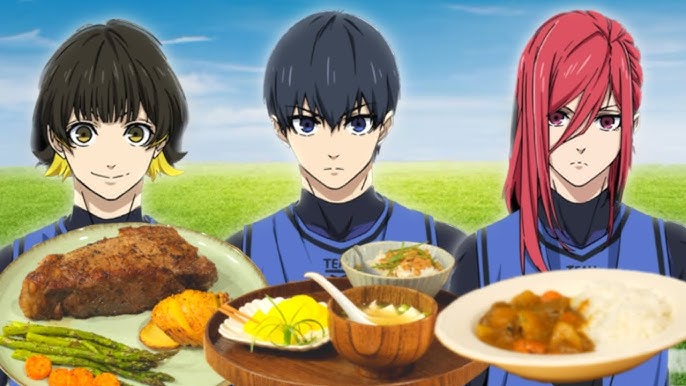
They got food the same way athletes at an elite training camp would: through on-site meal service inside Blue Lock. The players live in a controlled environment with dorms, training rooms, and common facilities. Food is provided as part of the program.
In practical terms, that means:
- Meals are prepared and distributed inside the Blue Lock compound.
- Players eat at scheduled times, likely in a cafeteria or dining area.
- The menu is designed to support intense training and recovery.
- In later phases, food access remains on-site, and additional “purchasing” systems appear in the program as it scales.
So the short version is: they did not “get” food from outside. Blue Lock provided it.
Why this question keeps coming up
Blue Lock is written like a pressure cooker. You see training, matches, rankings, eliminations, and Ego’s psychological warfare. You do not see much of the day-to-day logistics.
That creates a natural gap for readers and viewers:
- They are locked in.
- They train constantly.
- They run full-contact matches.
- Yet we rarely see grocery delivery, cooking, or a cafeteria routine.
So fans ask the obvious real-world question: how are these teenagers being fed?
The answer is not a hidden twist. It’s simply not the narrative focus. Blue Lock expects you to assume the camp provides basic needs because it is a formal, funded project, not a survival game.
Blue Lock is a training facility, not a “no-support” battle royale
A lot of people mentally group Blue Lock with “death game” stories because of the language: locked in, eliminated, only one wins.
But Blue Lock is still a sports program with a mission statement:
- Create the best striker for Japan
- Develop talent through competition
- Measure performance under extreme pressure
If the facility did not provide food, hydration, and recovery support, the program would collapse immediately. Players would:
- get injured at higher rates
- lose muscle mass
- underperform mentally
- become medically unstable
That would ruin the experiment Ego is running. His entire premise depends on controlled stress, not uncontrolled deprivation.
So in-universe, food must be guaranteed.
What the series shows and what it implies
Even if you do not get a full “cafeteria tour,” the story gives enough signals to conclude food is handled on-site:
The players have a dorm living and a structured schedule
They are shown living in rooms, moving between training areas, and operating under a managed daily flow. That alone implies scheduled meals, because high-intensity training blocks require planned nutrition windows.
The facility is staffed and maintained
Blue Lock has security, monitoring, equipment, clean spaces, and constant technological support. A program with that level of staffing does not forget meals.
They survive long periods inside the facility
Time passes, selections progress, and players remain physically capable. That requires consistent calorie intake and hydration.
So even if the story does not show every lunch tray, the logic is airtight: they are being fed on site.
How food likely worked during the First Selection
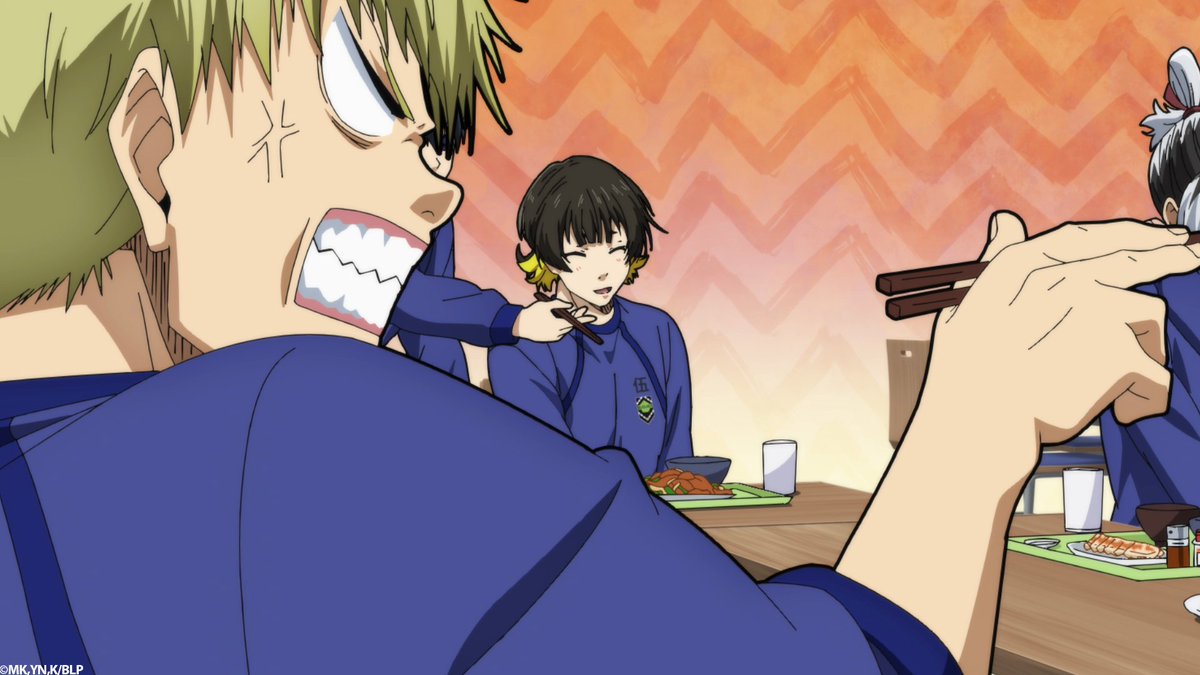
The First Selection is where the “lock-in” feeling is strongest. Players are grouped, ranked, and forced into competitive matches almost immediately.
This phase likely uses a classic sports camp model:
Scheduled meal times
In a controlled facility, meal windows are the easiest way to maintain discipline. Players probably follow a fixed routine:
- breakfast
- lunch
- dinner
- optional recovery snacks (protein, carbs, hydration)
This also helps the staff regulate performance variables. If everyone eats consistently, Ego can better attribute results to mentality and skill, not random nutrition differences.
Standardized athlete meals
First Selection meals would prioritize:
- high protein for muscle repair
- carbohydrates for training energy
- fats for hormone support
- vegetables for micronutrients
- hydration, electrolytes, and recovery fluids
In other words, food is part of the training system, not a comfort perk.
Controlled access and limited distractions
Early Blue Lock is about stripping away the outside world. The food would reflect that. You get what supports performance, not what you want for entertainment. That fits Ego’s philosophy: reduce comforts, increase focus.
How did they eat when they were constantly training and playing matches?
High-intensity training programs solve this with routine and recovery nutrition:
Pre-training fueling
Players would eat carbs and moderate protein before heavy sessions so they can sprint, jump, and endure repeated explosive actions.
Post-training recovery
Immediately after matches or intense drills, you typically see:
- Simple carbs for glycogen replenishment
- protein for muscle repair
- fluids and electrolytes
- sometimes sports supplements
Blue Lock is very “sports science adjacent” even when it dramatizes things. It would be unrealistic for Ego to ignore recovery nutrition because fatigue and injury would compromise the experiment.
Night-time replenishment
After heavy days, athletes often eat a more complete dinner and sometimes a light late snack. This supports muscle repair during sleep.
So even if you do not see it on-panel, the implied rhythm is consistent with elite football training.
How food likely worked during the Second Selection
The Second Selection introduces a different pace and a different kind of stress: smaller teams, repeated matches, constant reshuffling.
That matters because food logistics need to adapt.
More flexible eating windows
When the match schedule becomes less uniform, camps often shift from fixed meals only to a hybrid model:
- fixed meal windows
- plus grab-and-go options for athletes between sessions
That could mean:
- on-site cafeteria with extended hours
- ready meals available in common areas
- vending or distribution points for nutrition bars and drinks
Higher emphasis on quick recovery
Second Selection is about repeated performance. That implies more frequent recovery feeding:
- protein shakes
- easily digestible carbs
- fruit, yogurt, rice-based meals
- hydration stations
If you have ever seen how pro clubs fuel athletes during congested match periods, it’s the same concept. Keep energy stable, reduce digestive stress, and speed up recovery.
Did Blue Lock ever show them eating?

Yes, but not as a core “worldbuilding arc.”
When you do see food, it usually serves one of these narrative purposes:
- comic relief and character dynamics
- showing how “camp life” feels
- giving a breather between intense sequences
- highlighting differences in personality (who eats fast, who complains, who is relaxed)
Blue Lock is not a slice-of-life series. It will not spend pages explaining meal plans. But the occasional eating scenes exist to remind you: they live there, they eat there, and life continues between matches.
The U-20 match period: where did food come from then?
Once Blue Lock reaches the stage of major matches and national attention, the program becomes even more institutional.
At that level:
- the project has major funding and oversight
- the athletes are valuable assets
- performance and public image matter
So food access becomes even less of a question. If anything, the nutrition program becomes more professional:
- tailored intake for top performers
- recovery protocols after high-pressure matches
- higher quality ingredients
- medical supervision around hydration and fatigue
In realistic sports operations, once you are at “national showcase match” level, nutrition is treated as a competitive advantage.
Neo Egoist League and later phases: how food works when “money” systems appear
Later phases introduce systems where players earn value, status, and access through performance. Many readers misinterpret this and wonder if players must “buy” food.
The clean way to interpret it is:
Base nutrition is still provided
No legitimate training program makes basic food conditional for minors in a high-performance environment. You cannot run a consistent experiment if athletes are underfed.
Performance systems likely affect extras, not survival
Any points, ranking benefits, or “purchase” mechanics are best understood as:
- upgrades
- convenience items
- gear
- optional comfort foods
- personal customization
- premium nutrition products
Base meals still exist. The “economy” rewards top performers with better options, not with the right to eat at all.
Why Blue Lock would introduce “extras”
Because Ego’s philosophy is incentive-based pressure. Giving high performers more privileges reinforces competition without destabilizing health.
So the best interpretation is:
- Everyone gets fed.
- High performers can access better or more customized options.
The real-world logistics Blue Lock must have, even if it’s off-screen
If you want a realistic picture of what Blue Lock would require to feed dozens to hundreds of athletes inside a sealed complex, here’s what must exist in-universe.
A full kitchen operation
To feed athletes daily, Blue Lock needs:
- industrial kitchen space
- storage and refrigeration
- sanitation protocols
- cooking staff
- meal planning and supply ordering
Distribution and dining areas
Even if the series does not show a large cafeteria constantly, the facility must have:
- dining halls or common eating spaces
- timed distribution
- cleaning crews
- waste disposal systems
Nutrition management
At elite level, food is not just “meals.” It includes:
- monitored calorie intake for heavy training blocks
- protein targets for muscle development
- carb cycling around match schedules
- hydration monitoring
- electrolyte replacement
- injury recovery nutrition (anti-inflammatory foods, adequate energy intake)
Medical oversight
In high performance programs, medical teams coordinate with nutrition. They track:
- weight changes
- fatigue markers
- cramps, dehydration, illness
- injury rehab requirements
Blue Lock is portrayed as highly monitored, which strongly supports the idea that nutrition is also monitored.
What about snacks, drinks, and late-night food?
This is where Blue Lock’s “controlled environment” matters.
Snacks are likely regulated
In many training programs, athletes can snack, but options are guided:
- fruit, yogurt, rice balls, protein
- sports drinks, water, electrolytes
- limited junk food, especially in intense phases
Blue Lock’s philosophy would encourage discipline. Ego would not want constant sugar crashes, poor sleep, or inconsistent energy.
Hydration is almost certainly everywhere
Given the sprint-heavy demands of football, and the intensity of Blue Lock’s training, hydration stations are a must:
- water
- electrolytes
- recovery drinks after matches
Late-night eating depends on the phase
In very strict phases, late-night food might be limited to improve discipline and sleep schedules. In later professionalized phases, recovery demands could justify planned late snacks.
Either way, Blue Lock is not depicted as starving its players.
Did they ever have to cook for themselves?
Almost certainly not as a primary system.
It would be inefficient and counterproductive to ask teenagers to cook daily while also training at extreme intensity. Cooking for yourself:
- takes time
- creates safety and sanitation risk
- leads to inconsistent nutrition
- introduces performance variability
Blue Lock is obsessed with controlled performance variables. That strongly points to centralized meal service.
Could players sometimes prepare simple things like instant snacks? Possibly. But the core meal system would be staff-run.
Why Ego Jinpachi would care about food even if he never talks about it
Ego’s character is often portrayed as purely psychological. But his “experiment” depends on physical performance being comparable across players.
If some players ate poorly, they would:
- fatigue faster
- lose speed and explosiveness
- make worse decisions under pressure
- recover slower
- become injury prone
That would corrupt the results. Ego wants to isolate and test egoism, striker instinct, and adaptability, not who can survive underfeeding.
So, even if he never gives a speech about protein, Ego’s incentives require a strong nutrition program.
The simplest “in-universe” explanation you can use anywhere
If you want one clean explanation that satisfies most readers:
Blue Lock is a fully funded sports facility with dorms and staff, so players receive regular meals inside the compound. The story focuses on matches and mindset, not cafeteria logistics, but food is clearly provided on-site throughout every selection phase.
That is accurate, non-speculative, and consistent with the world.
Common misunderstandings about food in Blue Lock
Misunderstanding: They were locked in like a survival game
They were locked in for training and selection. Basic needs are provided.
Misunderstanding: They had to buy food with points later
Any points system is best read as affecting extras and privileges, not basic nutrition.
Misunderstanding: No scenes of eating means no food
It simply means the story does not spend panels on daily logistics.
Misunderstanding: Ego would not care about nutrition
He has to care, because nutrition affects performance and therefore the integrity of his experiment.
How to talk about this topic without contradicting canon
Because Blue Lock doesn’t publish a detailed “meal plan” in the story, the safest writing strategy is:
- State what is clearly implied: they are fed inside the facility
- Avoid inventing specific menus or brands
- Explain that it works like an elite training camp
- Note that the series focuses on training and matches, so food is mostly off-screen
That keeps your content accurate and avoids the trap of “making up details” that the manga never confirms.
FAQ – How Did They Get Food in Blue Lock?
How did they get food in Blue Lock?
Food is provided inside the Blue Lock facility through on-site meal service. The players are fed regularly as part of the training program.
Did Blue Lock have a cafeteria?
The series implies shared facilities and structured living, which strongly suggests a cafeteria or dining area, even if it isn’t shown constantly.
Did the players have to cook their own meals?
Not as the main system. A high-performance camp would use staff-prepared meals to keep nutrition consistent and efficient.
Were they starving in Blue Lock?
No. The premise is intense competition, but basic needs like food and hydration are provided so players can train and perform.
How did they eat during the First Selection?
The most consistent interpretation is scheduled meals inside the facility, similar to an athletic training camp.
How did they eat during the Second Selection?
Likely the same on-site system, with more flexible access and additional recovery nutrition because the match pace is higher.
Did rankings affect who gets to eat?
There is no reliable canon basis that anyone is denied food. Any later “value” systems are best read as affecting perks, not basic nutrition.
How did they get water and sports drinks?
A facility running constant physical training would require hydration stations and recovery drinks, even if the story doesn’t emphasize them.
Is food ever shown in Blue Lock?
Yes, occasionally, but meals are not a narrative focus. The story prioritizes training, matches, and mindset.
What is the simplest correct answer to this question?
They got food because Blue Lock is a funded training facility with staff and infrastructure, so meals are provided on-site.
You may also like:
Black Clover Characters: Meet the Heroes, Villains, and Magical Powers of the Clover Kingdom
Is Black Clover Manga Finished? A Complete Overview of the Manga’s Status and Future
How Old is Yuji Itadori? Discover the Age of the Jujutsu Kaisen Protagonist
