
Yes. Hayao Miyazaki has done manga other than Nausicaa of the Valley of the Wind, including early newspaper serials, promotional tie in manga, and later short works published in specialist magazines.
This matters because his “on paper” storytelling often reveals a rawer side of his craft: tighter pacing, more direct moral tension, and the clearest view of how his ideas form before they become films.
At HariManga, we compiled this guide by cross-checking publication records and reputable bibliographic references, then organizing every non-Nausicaa manga project into a reader friendly list.
Want the fastest proof? Start with Shuna’s Journey, then follow the trail into People of the Desert, Daydream Data Notes, and The Wind Rises manga.
Quick answer list: Miyazaki manga other than Nausicaa
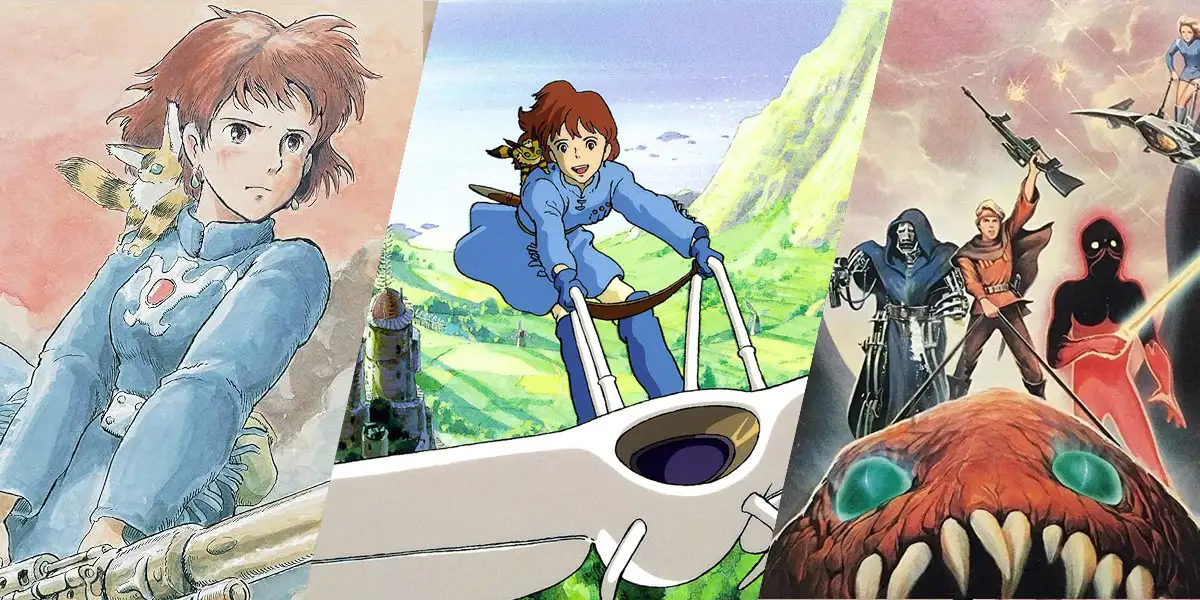
Here are the main works to know, with basic publication context.
- The Wonderful World of Puss ’n Boots (promotional manga), 12 chapters, ran in the Sunday edition of Tokyo Shimbun, January to March 1969
- People of the Desert (Sabaku no Tami), serialized in Boys and Girls Newspaper, 26 installments, September 12, 1969 to March 15, 1970, under the pen name Akitsu Saburo
- Animal Treasure Island (promotional manga), 13 installments, Sunday edition of Tokyo Shimbun, January to March 1971
- Shuna’s Journey (Shuna no Tabi), one volume watercolor illustrated story, first published June 15, 1983
- Hayao Miyazaki’s Daydream Data Notes, annotated manga and illustrated essays published in Model Graphix, November 1984 to November 1992
- Hikotei Jidai (The Age of the Flying Boat, also known as Crimson Pig: The Age of the Flying Boat), short watercolor manga published in Model Graphix, March to May 1989
- The Wind Rises (Kaze Tachinu), manga serialized in Model Graphix from April 2009 to January 2010, later collected into a single volume
What counts as “Miyazaki manga” in this context?
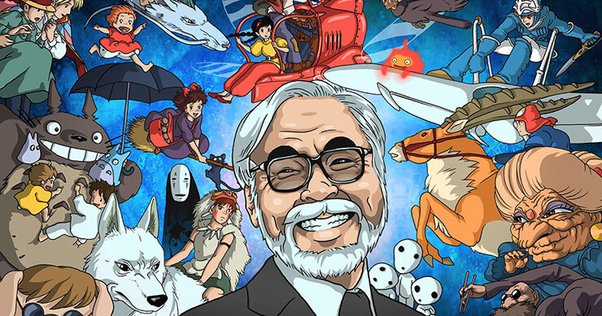
When readers ask whether Miyazaki made any manga besides Nausicaa, they usually mean works where he wrote and drew sequential comics or comic like narratives. The answer is yes, but his output spans different print formats.
- Newspaper and promotional manga: These are shorter serial works designed to run in newspapers. Some were tied to film releases, which is why they read like fast, punchy adventure comics.
- Watercolor illustrated stories that function like graphic novels: Works like Shuna’s Journey are not “standard manga magazine serials,” but they use sequential visual storytelling and pacing in a way that clearly belongs to Miyazaki’s comics sensibility.
- Model Graphix works: Miyazaki published annotated manga, illustrated essays, and later manga serials in Model Graphix. This material often feels like opening his sketchbooks and margin notes, except it is organized for publication.
Early Miyazaki manga: newspaper serials and promotional tie ins (1969 to 1971)
The Wonderful World of Puss ’n Boots promotional manga (1969)
Miyazaki created a 12 chapter promotional manga to support The Wonderful World of Puss ’n Boots. It ran in the Sunday edition of Tokyo Shimbun in early 1969. For today’s readers, it is a snapshot of Miyazaki’s early mastery of motion and comedic timing on the page. Even in promotional work, you can see the instincts that later shaped his film storyboards.
People of the Desert (1969 to 1970)
People of the Desert is one of the most important answers to the question “what manga did Miyazaki make besides Nausicaa.” It was serialized in Boys and Girls Newspaper in 26 installments from late 1969 into early 1970, published under the pen name Akitsu Saburo.
It is often discussed as an early testing ground for ideas that show up later in Miyazaki’s career, especially moral ambiguity, conflict, and the tension between individuals and power structures.
Animal Treasure Island promotional manga (1971)
For the 1971 film Animal Treasure Island, Miyazaki produced a 13 installment manga adaptation that ran in the Sunday edition of Tokyo Shimbun. Like the Puss ’n Boots manga, it shows how he compresses cinematic adventure into short weekly or episodic beats, prioritizing clarity of action and strong page level momentum.
The watercolor side of Miyazaki’s manga identity
Shuna’s Journey (1983)
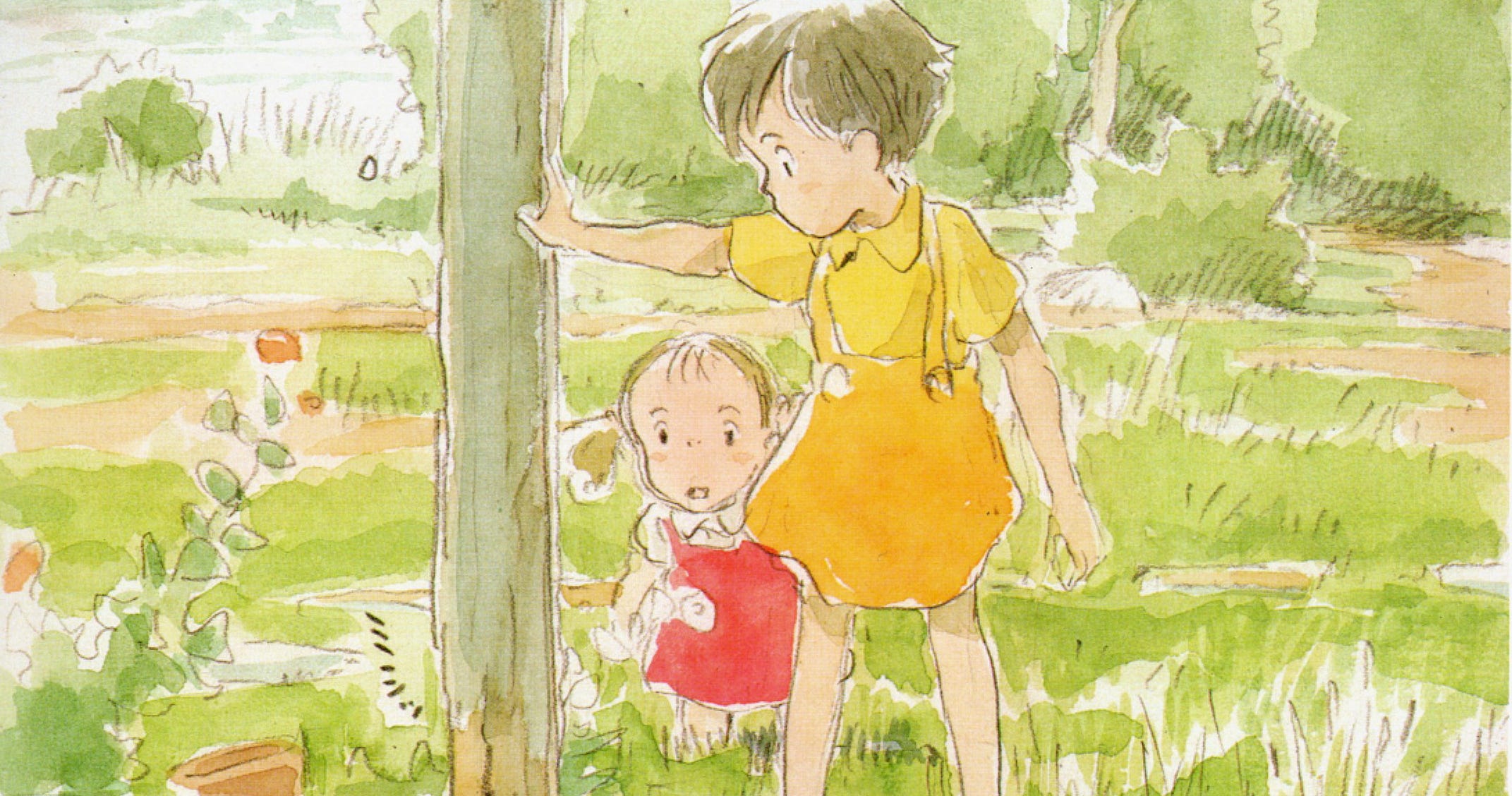
Shuna’s Journey is a one volume watercolor illustrated story written and drawn by Miyazaki. It reads like a mythic fable, but the storytelling is unmistakably sequential and manga like in its pacing.
If you want a complete, self contained Miyazaki print work that does not require hunting down rare magazines, this is the most approachable entry point. It also shows how he can build a world with minimal exposition, letting images carry ethics, atmosphere, and tension.
Hikotei Jidai (The Age of the Flying Boat), 1989
Hikotei Jidai is a short all watercolor manga published in Model Graphix in 1989. It is essential for readers who love Miyazaki’s aviation obsessions. The piece feels like a sketchbook that gained narrative teeth, combining romantic adventure energy with technical fascination, and it points directly toward the creative territory that later becomes Porco Rosso.
The Model Graphix era: Daydream Data Notes and The Wind Rises manga
Hayao Miyazaki’s Daydream Data Notes (1984 to 1992)
Daydream Data Notes is the umbrella name for Miyazaki’s annotated manga and illustrated essays published in Model Graphix across the late 1980s and early 1990s. This is not conventional narrative manga.
It is closer to published creative thinking, combining drawings, commentary, historical references, machines, and ethics. For fans who want to understand what Miyazaki cares about when no studio schedule forces a clean plot, this is some of the richest material available.
The Wind Rises manga (2009 to 2010)
Miyazaki later published The Wind Rises as a manga serial in Model Graphix from 2009 to 2010, later collected in a single volume. This work is one of the clearest “proof points” that he continued to make manga late in his career.
In tone, it is reflective and historically conscious, with the same blend of love for engineering and discomfort with what engineering can be used for.
Where to start: recommended reading paths
If you want the most accessible single volume
Start with Shuna’s Journey. It is self contained, visually distinctive, and reads like a complete Miyazaki myth in print form.
If you want short, high impact Miyazaki on paper
Try Hikotei Jidai. It is brief, vivid, and captures his aviation and romantic adventure sensibility in concentrated form.
If you want “how Miyazaki thinks” more than plot
Go to Daydream Data Notes. It reads like published sketchbook intelligence, full of obsessions, references, and moral questions.
If you want aviation plus history in manga form
Read The Wind Rises manga. It is a late career work that shows Miyazaki’s mature, conflicted relationship with technological beauty.
Why these manga matter, even if you already know Miyazaki through film
Reading Miyazaki’s non Nausicaa manga output shows you his storytelling without animation’s support. On the page, pacing and composition have to do the heavy lifting, and his control is clear. It also shows the breadth of his author identity.
From early newspaper work to late Model Graphix serials, his recurring interests remain consistent: humanist stakes, technical curiosity, and moral friction.
Finally, these works reveal ideas in different states. Some feel fully shaped and mythic, like Shuna’s Journey. Others feel like deliberately published notes, like Daydream Data Notes.
So, has Miyazaki done any manga other than Nausicaa? Absolutely. Beyond his landmark Nausicaa work, he produced early newspaper and promotional manga, watercolor illustrated stories like Shuna’s Journey, the Model Graphix based Daydream Data Notes pieces, and the later The Wind Rises manga. If you want the quickest entry, start with Shuna’s Journey. If you want the deepest look into his creative mind, try Daydream Data Notes.
FAQ
Did Miyazaki write and draw manga besides Nausicaa?
Yes. Key examples include Shuna’s Journey, People of the Desert, Hikotei Jidai, The Wind Rises manga, and promotional manga for Puss ’n Boots and Animal Treasure Island.
Is Shuna’s Journey considered manga?
It is often described as a watercolor illustrated story rather than a standard magazine manga serial, but it uses sequential visual storytelling and reads like a Miyazaki graphic narrative.
What is People of the Desert and why is it hard to find?
It is an early serialized work published in a children’s newspaper under a pen name. Because it ran in a newspaper format decades ago, it is less commonly available than later collected works.
Did Miyazaki really do film tie in manga?
Yes. He created promotional manga adaptations tied to Puss ’n Boots and Animal Treasure Island that ran in newspapers.
What are Daydream Data Notes?
They are a collection of Miyazaki’s annotated manga and illustrated essays published in the hobby magazine Model Graphix across the 1980s and early 1990s.
Was The Wind Rises a manga before it was a film?
Miyazaki published The Wind Rises as a manga serial before it became a feature film project.
You may also like:
What Is Shoujo Manga? Definition, History, and Best Titles To Read
What is Ecchi? A Complete Guide to Understanding Ecchi and Its Popularity
What Do Dots Next to Japanese Characters Mean in Manga?
