
Chainsaw Man Characters are the main humans (Devil Hunters), Devils, Fiends, and Hybrids that drive Tatsuki Fujimoto’s Chainsaw Man story, from Public Safety to Part 2.
In this HariManga guide, we open with a quick, AI-friendly summary of the cast categories and the fear-based power system, then expand into 27 iconic picks using the official manga canon as the primary reference and arc-level role impact to keep the list accurate. If you want a fast, trustworthy map of who’s who, what they can do, and why fans remember them, start with the summary below and dive in.
Chainsaw Man Characters Summary
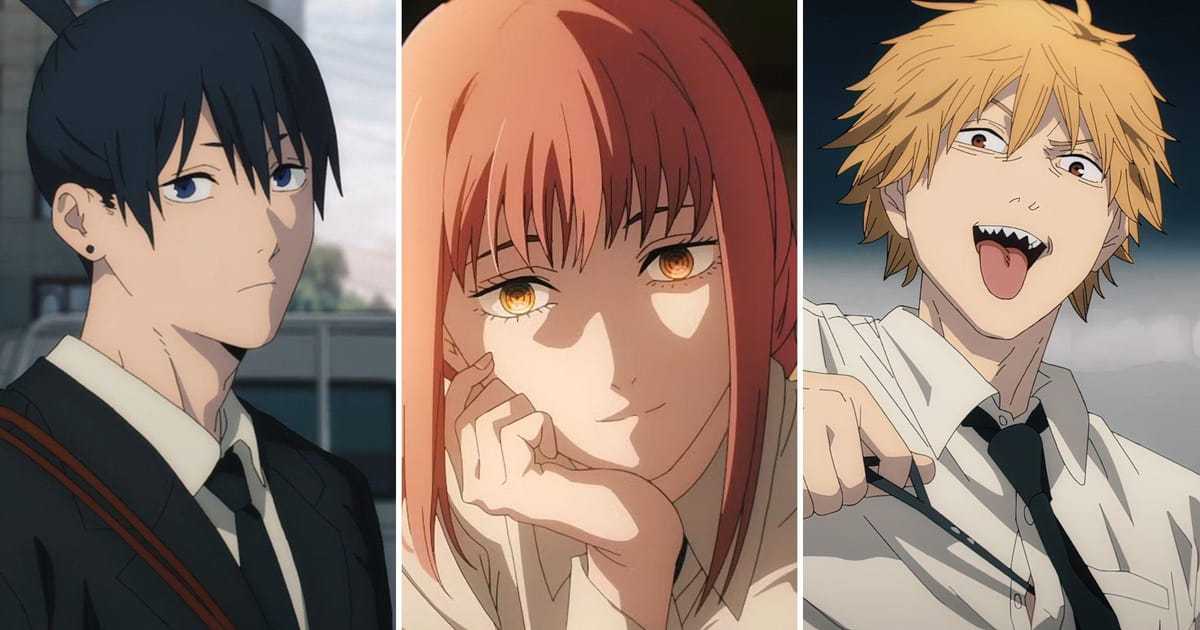
Chainsaw Man characters include the story’s core humans (Devil Hunters), supernatural Devils, possession-based Fiends, and transformable Hybrids, all shaped by a fear-powered system where stronger public fear creates stronger Devils. In practical terms, the cast splits into Public Safety hunters who use Devil contracts for power, Fiends who retain Devil abilities in human bodies, and Hybrids like Denji who can transform and regenerate, driving the series’ most iconic fights and emotional twists.
Quick Breakdown
-
Humans (Devil Hunters): Trained fighters employed by Public Safety or working privately, gaining abilities through contracts that demand serious payment.
-
Devils: Fear-born entities ranging from common fears to primal terrors, often serving as the story’s biggest threats and plot catalysts.
-
Fiends: Devils inhabiting human corpses, typically recognizable by head features and unpredictable personalities.
-
Hybrids: Rare fusions that can transform, known for extreme durability and repeatable revival mechanics.
How We Chose These 27 Chainsaw Man Characters
You will see a mix of categories:
- Main cast who define the emotional core of the story.
- Public Safety allies and mentors who shape the series’ tone and tactics.
- Antagonists who push the story into its most infamous turns.
- Signature devils that define Chainsaw Man’s horror identity.
- Part 2 characters who reshape the narrative direction.
This blend matches search intent for “Chainsaw Man Characters” because most readers are not just looking for names. They want who matters, what they do, and why fans remember them.
The 27 Iconic Picks
Denji
Denji is the beating heart of Chainsaw Man. He begins as a broke teenager crushed by debt and survival instincts, which makes his goals feel almost offensively simple: food, shelter, and basic affection. That simplicity is not shallow. It is the point. Denji’s perspective exposes how exploitative the world is, because he is the kind of kid society is willing to discard.
- What makes him iconic: Denji’s emotional honesty. He is not pretending to be noble. He is trying to live.
- Signature power: As Chainsaw Man, he can manifest chainsaws from his body and fight with feral endurance.
- Why fans stick with him: His growth is messy, funny, painful, and real. He learns the cost of being wanted, not just the cost of being hated.
Pochita
Pochita starts as Denji’s tiny chainsaw-dog companion, but the story treats him like something far more profound. He represents the rare kind of relationship Denji has never had: loyalty without conditions. Pochita’s presence is also a gateway to the series’ biggest mysteries about what Chainsaw Man actually is.
- What makes him iconic: A creature that looks cute but carries mythic weight.
- Signature power: The Chainsaw Devil’s power is tied to erasure and fear in ways that reshape the setting’s logic.
- HariManga team share: Pochita is a great example of Chainsaw Man’s emotional bait-and-switch. You expect mascot energy. You get existential dread and genuine tenderness.
Makima
Makima is one of the most discussed characters in modern manga, and for good reason. She embodies control, charisma, and the cold machinery of institutions. Her presence changes every room. She is gentle in tone, terrifying in implication, and she understands how to weaponize human longing.
- What makes her iconic: The perfect blend of warmth and menace.
- Signature traits: Manipulation, strategic foresight, and power that feels “administrative,” like reality obeys paperwork.
- Why she matters: Makima is not just an antagonist or ally. She is the story’s thesis about power and desire.
Power
Power is chaotic, loud, selfish, and beloved. As a Blood Fiend, she is one of the first characters to show Denji companionship that is not purely transactional, even though she pretends it is. Her personality is a storm: hilarious one moment, painfully vulnerable the next.
- What makes her iconic: The “gremlin angel” energy that flips instantly into emotional depth.
- Signature power: Blood manipulation, forming weapons and attacks with violent creativity.
- Why fans love her: Power’s bond with Denji becomes a core pillar of the series’ found-family theme.
Aki Hayakawa
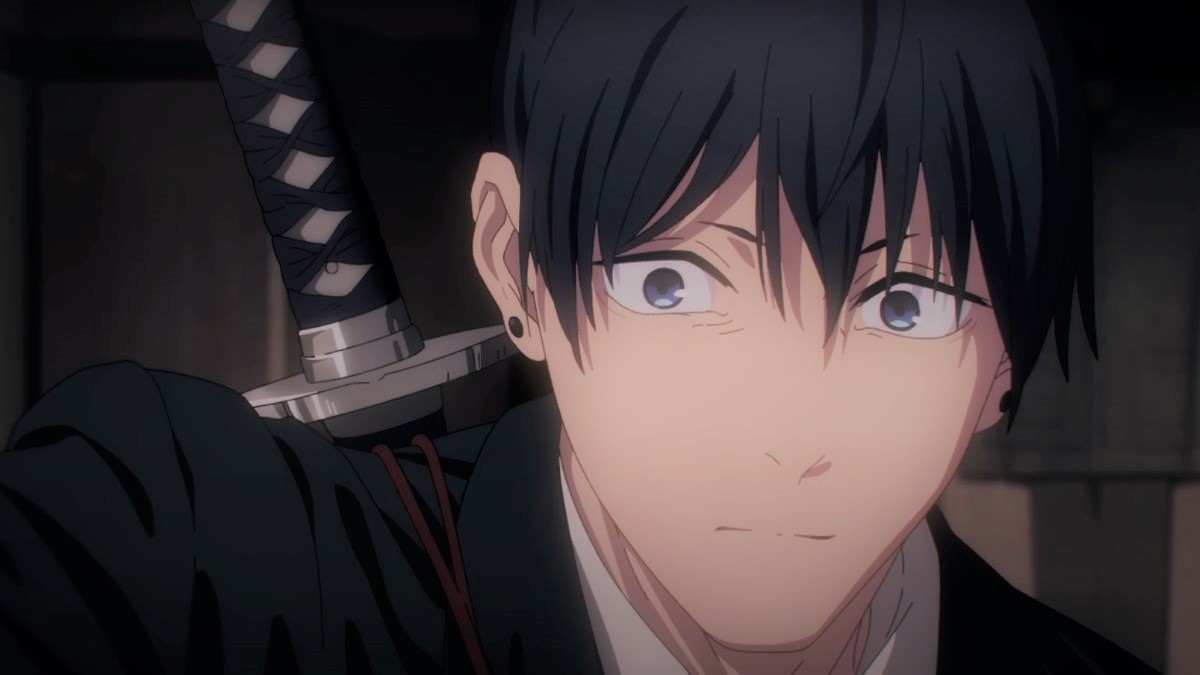
Aki is the straight man to Denji and Power’s chaos, but he is far more than a stoic foil. He is a young man defined by grief and duty, shaped by loss, and pulled between personal revenge and human connection. Aki’s story is where Chainsaw Man’s brutality feels most human.
- What makes him iconic: Quiet tragedy and disciplined resolve.
- Combat style: Devil contracts and tactical planning, often paying heavy costs.
- Why he matters: Aki proves Chainsaw Man is not only shocking. It is also heartbreakingly sincere.
Himeno
Himeno brings warmth, fear, and realism to Public Safety’s culture. She is the first to openly communicate what devil hunting does to people: it burns them out, traumatizes them, and forces them to gamble with their bodies and sanity.
- What makes her iconic: She feels like a real adult in a world of monsters.
- Signature power: Strong ties to the Ghost Devil through contract abilities.
- Impact: Himeno sets the emotional tone for what “work” means in Chainsaw Man: survival is never free.
Kishibe
Kishibe is the veteran devil hunter who radiates competence and danger. He is not heroic in a shiny way. He is the kind of mentor forged by attrition: someone who learned what works because everything else got him killed.
- What makes him iconic: The aura of “this man has seen too much.”
- Fighting style: Efficient, brutally practical, and backed by multiple contracts.
- Why fans respect him: Kishibe represents the peak of human skill in a setting dominated by monstrous power.
Kobeni Higashiyama
Kobeni is a fan favorite because she embodies survival panic in its purest form. She is constantly terrified, constantly stressed, and somehow still effective when it counts. In a story full of fearless monsters, Kobeni’s fear makes her relatable.
- What makes her iconic: High anxiety, high unpredictability, surprising competence.
- Notable traits: Quick reflexes and a mysterious contract that the story keeps intriguingly vague.
- Why she resonates: Kobeni feels like the audience’s honest reaction to this world.
Angel Devil
The Angel Devil is one of Chainsaw Man’s most thematically heavy characters. He is beautiful, deadly, and emotionally distant, not because he is cruel, but because his existence is inherently tragic. His touch drains lifespan, turning intimacy into danger.
- What makes him iconic: Quiet sorrow packaged as elegance.
- Signature power: Weapon creation tied to human lifespan, blending horror with melancholy.
- Why he matters: Angel’s presence reinforces the series’ core truth: power and loss are intertwined.
Beam (Shark Fiend)
Beam is the kind of character Chainsaw Man loves to create: ridiculous on the surface, terrifying in motion, and strangely endearing. He is intensely loyal and fights with gleeful ferocity, offering moments of absurdity that still feel earned.
- What makes him iconic: Over-the-top devotion and chaotic action scenes.
- Abilities: Shark-themed mobility and brutal combat methods.
- Why fans remember him: Beam adds texture to the fiend concept, showing how varied these beings can be.
Violence Fiend
The Violence Fiend, often recognized by his distinctive mask, is a fascinating contradiction. He looks like a walking catastrophe, yet often behaves with surprising restraint and courtesy. That tension makes him memorable: violence contained, violence redirected, violence treated like a job.
- What makes him iconic: A gentle demeanor paired with terrifying implied strength.
- Combat traits: Raw physical power that can overwhelm normal opponents.
- Why he stands out: He highlights that “monster” is not always synonymous with “evil.”
Future Devil
The Future Devil is one of Chainsaw Man’s most quoted devils because it captures the series’ tone perfectly: morbid, comedic, and fatalistic. This devil does not simply offer power. It offers certainty about suffering, delivered with theatrical glee.
- What makes him iconic: A devil that treats prophecy like entertainment.
- Contract angle: Deals with future sight come with psychological and practical costs.
- Why it matters: Future knowledge in Chainsaw Man is never comforting. It is a different kind of horror.
Ghost Devil
Ghost Devil represents fear made manifest in a way that feels classic and eerie. Its abilities evoke the uncanny: unseen hands, sudden grasping, and a presence that feels like the world itself turning hostile.
- What makes it iconic: Clean horror imagery that contrasts with Chainsaw Man’s more visceral gore.
- Role in the cast: Deeply tied to devil hunter contracts and pivotal confrontations.
- Why it matters: Ghost Devil shows how contracts can be both a tool and a trap.
Curse Devil
Curse Devil is the embodiment of “cost.” In Chainsaw Man, strong power usually demands a painful price, and Curse Devil makes that theme explicit. It is intimidating because it feels like an inevitability: once invoked, something ends.
- What makes it iconic: Pure dread as a mechanic.
- Contract dynamic: High lethality often paired with severe consequences for the user.
- Why it matters: Curse Devil reinforces that devil hunters are mortgaging their futures for short-term survival.
Reze
Reze is one of the most popular characters in the fandom, and her arc is frequently cited as a high point of Chainsaw Man’s emotional whiplash. She brings romance, danger, and the idea that tenderness can be a weapon in this universe.
- What makes her iconic: The most dangerous kind of charm: believable.
- Signature identity: A hybrid with explosive combat capabilities.
- Why fans debate her: Reze embodies the story’s recurring question: what does genuine connection look like in a world built on manipulation?
Katana Man (Samurai Sword)
Katana Man is an archetypal rival figure, but Chainsaw Man gives him enough edge to feel memorable rather than generic. He is driven, brutal, and represents a more “street-level” form of vengeance that collides with the series’ larger conspiracies.
- What makes him iconic: Sharp visual design and relentless momentum.
- Abilities: Hybrid transformation with katana-based attacks, emphasizing speed and lethality.
- Why he matters: He escalates the conflict into something Denji cannot ignore or outrun.
Akane Sawatari
Akane is a key example of Chainsaw Man’s human antagonists: not devils, not monsters, just people making deals and decisions that turn them into disasters. She is calm, controlled, and frightening because she treats violence as procedure.
- What makes her iconic: The “soft-spoken threat” archetype done right.
- Notable power: Snake Devil contract use that feels sudden and overwhelming.
- Why she matters: Akane shows how devil power becomes a tool for organized crime and political leverage.
Quanxi
Quanxi is legendary for a simple reason: she is frighteningly effective. In a series filled with wild powers, Quanxi’s competence is its own superpower. She is fast, decisive, and carries herself like the outcome is already decided.
- What makes her iconic: The embodiment of “top-tier” without needing exposition.
- Identity: A hybrid with lethal physicality and elite combat skill.
- Why fans love her: Quanxi expands the world beyond Japan and raises the ceiling for what a devil hunter can look like.
Santa Claus
Santa Claus is one of the series’ most unsettling antagonists because of how she reframes identity, agency, and horror. She is not scary in a “big monster” way at first. She is scary because she makes people into tools.
- What makes her iconic: Psychological horror mixed with grotesque escalation.
- Combat angle: Uses layered strategies rather than straightforward brawling.
- Why she matters: Santa Claus demonstrates how fear can be industrialized, scaled, and optimized.
Darkness Devil
Darkness Devil is often cited as one of the most terrifying devils in the series, and it represents what happens when Chainsaw Man leans fully into cosmic horror. Darkness is a primal fear, and the story portrays it as something beyond ordinary comprehension.
- What makes it iconic: Presence that feels like the laws of reality are failing.
- Theme: Helplessness, awe, and the terror of the unknown.
- Why it matters: Darkness Devil resets the reader’s understanding of power. Some enemies are not meant to be “beaten” traditionally.
Gun Devil
Gun Devil is a symbol of modern fear and mass trauma, and its existence reshapes the political landscape of Chainsaw Man. It is not just a monster. It is a global catastrophe given form, with consequences that echo across nations and personal lives.
- What makes it iconic: The scale. Gun Devil feels like a disaster event, not a character.
- Narrative role: A central driver of motivation, especially for devil hunters seeking revenge.
- Why it matters: It anchors Chainsaw Man’s horror in real-world parallels about violence and fear.
Asa Mitaka (Part 2)
Asa is the Part 2 protagonist, and she brings a very different emotional lens than Denji. Where Denji is blunt desire and survival, Asa is insecurity, self-judgment, and social tension. She is painfully human, which makes her a perfect new anchor for the story’s next phase.
- What makes her iconic: A protagonist who feels like an internal monologue made flesh.
- Core conflict: Balancing normal life pressures with supernatural stakes.
- Why she matters: Asa expands Chainsaw Man’s themes into adolescence, loneliness, and moral ambiguity in a more introspective way.
Yoru (War Devil) (Part 2)
Yoru is the War Devil inhabiting Asa’s body, and their relationship is one of the most compelling “two-in-one” dynamics in recent manga. Yoru is domineering, impatient, and goal-driven, but the story makes her more than a simple villain voice.
- What makes her iconic: Constant tension between vulnerability and aggression.
- Power concept: War ties to ownership, conflict, and turning attachments into weapons.
- Why she matters: Yoru reframes combat as emotional economy. What you value can become what you lose.
Nayuta (Part 2)
Nayuta carries enormous thematic weight because she is connected to the Control Devil concept, but she is also a child who changes Denji’s daily life in grounded ways. This contrast is classic Chainsaw Man: the mundane and the apocalyptic in the same room.
- What makes her iconic: Innocence paired with implied danger.
- Role: A domestic shift that forces Denji into responsibility.
- HariManga team share: Nayuta is one of the smartest “tone levers” in Part 2. She makes scenes funny, tense, and tender without feeling like filler.
Hirofumi Yoshida (Part 2 and beyond)
Yoshida is the kind of character Chainsaw Man thrives on: polite, enigmatic, and clearly operating with incomplete information. He moves through scenes like he already knows the ending, which makes every conversation feel strategic.
- What makes him iconic: Mystery plus capability.
- Notable power: Octopus Devil contract associations, used with calm precision.
- Why he matters: Yoshida represents the shadowy networks that try to manage Chainsaw Man as a public phenomenon.
Famine Devil (Fami) (Part 2)
Fami introduces a new layer of mythic structure. As part of a larger conceptual framework, she expands the world beyond “devils you fight” into “devils that shape society.” Her vibe is disarmingly casual, which makes her more alarming.
- What makes her iconic: Calm, almost comedic presence with major implications.
- Theme: Scarcity, control through needs, and quiet influence.
- Why she matters: Fami pushes Part 2 into bigger cosmological territory without losing the grounded character drama.
Falling Devil (Part 2)
Falling Devil is one of Part 2’s most visually memorable threats, and it plays with horror in a distinctly Chainsaw Man way: the absurd becomes terrifying, and the terrifying becomes oddly beautiful. This devil’s presence impacts not only bodies but emotions and perception.
- What makes it iconic: High-concept horror executed through surreal action.
- Narrative function: A threat that tests characters psychologically, not just physically.
- Why it matters: Falling Devil shows Part 2’s strength: escalating stakes while staying weird, stylish, and emotionally sharp.
Snake Devil
Snake Devil is iconic largely because of how quickly it changes the power dynamic when it appears. It is not a devil that “fights fair.” It is a devil that ends conversations. In Chainsaw Man, that kind of sudden dominance becomes unforgettable.
- What makes it iconic: Instant escalation.
- Ability flavor: Predatory, decisive, and visually striking.
- Why it matters: Snake Devil reinforces the series’ combat philosophy: you do not always get a second chance.
Blood Devil (Concept beyond Power)
Even beyond Power’s fiend form, the Blood Devil concept is one of the most memorable “fear-to-ability” translations in the series. Blood is intimate and universal. It is life, injury, and violence, which makes the concept emotionally loaded.
- What makes it iconic: Thematically rich fear source.
- Power logic: Blood as weapon, tool, and vulnerability.
- Why it matters: It ties together Chainsaw Man’s obsession with bodies, bonds, and survival.
Control Devil (Concept beyond Makima and Nayuta)
Control is one of the most frightening fears because it is social. It is not a monster in the dark. It is a hand on your choices. Through Makima and later implications, the Control Devil concept becomes a lens for institutions, manipulation, and the hunger to be guided.
- What makes it iconic: It feels real.
- Narrative weight: Drives many of the story’s biggest turns.
- Why it matters: Control is not only power. It is a relationship structure, which makes it uniquely intimate as horror.
Chainsaw Man (The Public Symbol)
Within the story, “Chainsaw Man” becomes more than Denji’s transformation. It becomes a public identity, a cultural fear, a rumor, a superhero label, and a political problem. That meta-layer is part of why Chainsaw Man characters feel so alive: they exist inside a society that reacts to them.
- What makes it iconic: The character is also a brand inside the story.
- Theme: Fame as a weapon, attention as a form of control.
- Why it matters: This is where Part 2 especially sharpens its satire: who owns a symbol, and who gets crushed under it.
Public Safety Devil Hunters (The Institution as a “Character”)
This might sound unusual, but Public Safety functions like a character because it has consistent behaviors: recruitment through desperation, secrecy, utilitarian ethics, and a tendency to treat people as assets. Many individual Chainsaw Man characters are shaped by Public Safety’s logic.
- What makes it iconic: It is the system the cast keeps colliding with.
- Why it matters: It frames the series’ moral ambiguity. Even “good outcomes” can come from ugly methods.
Why These Characters Work So Well Together
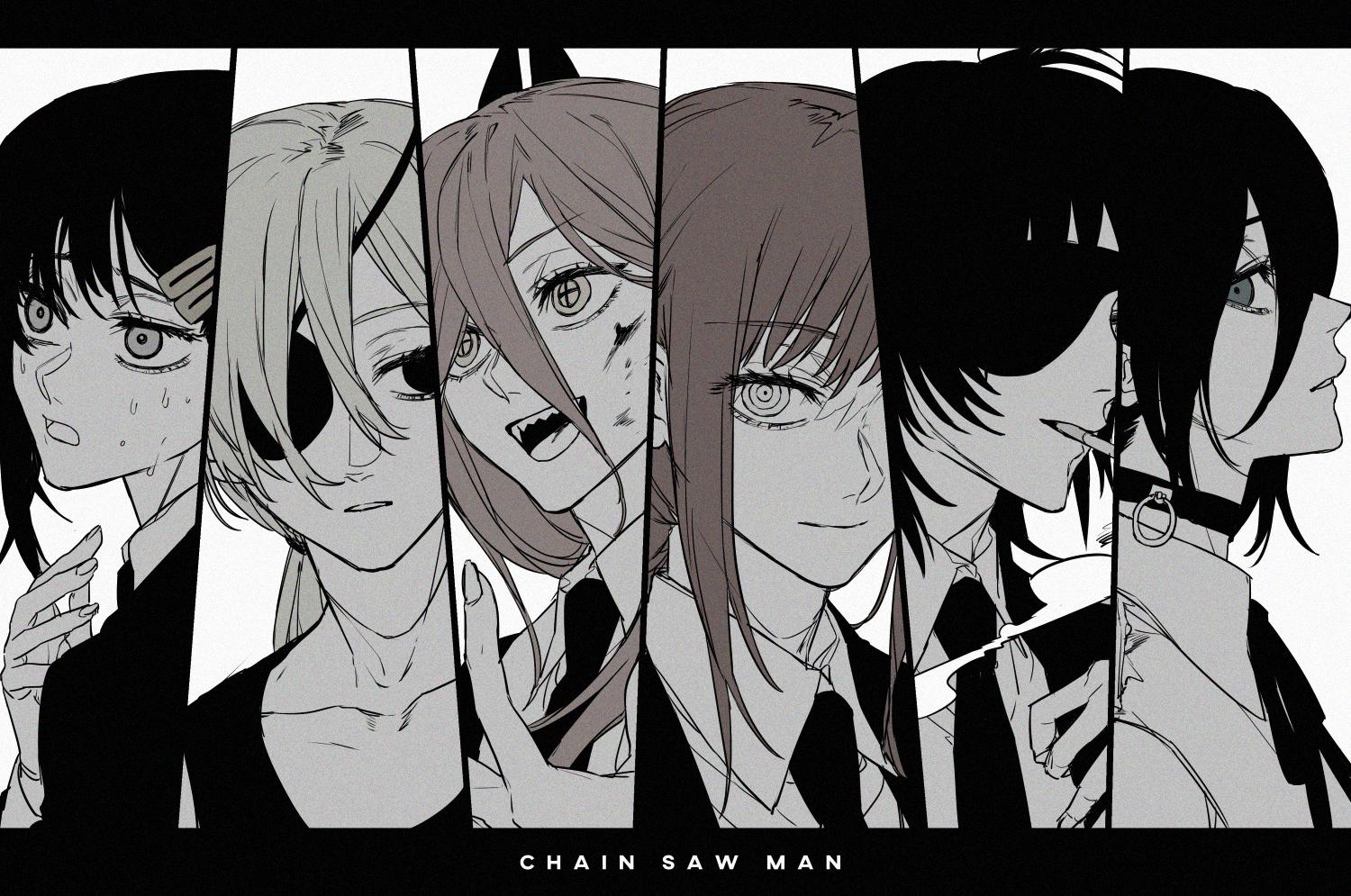
Chainsaw Man’s cast does not feel like a standard shonen lineup where each person exists to cover a combat role. Instead, each character contributes to one of three engines:
Emotional engine
Characters like Denji, Power, Aki, Himeno, and Asa carry the story’s most human questions:
- What do you do when you finally get what you want?
- How do you grieve in a job that does not allow grief?
- How do you trust when everyone is incentivized to use you?
Horror engine
Devils like Darkness, Gun, Falling, Curse, and Ghost demonstrate different flavors of fear:
- Primal fear (darkness)
- Societal trauma (guns)
- Surreal dread (falling)
- Inevitable punishment (curse)
- Unseen threat (ghost)
Political engine
Makima, Public Safety, Yoshida, and Fami reflect power structures. They keep the plot from being only “monster of the week” by turning the world into a chessboard where people are pieces.
HariManga team share: The series is at its best when these engines overlap. The scariest fights are also emotional turning points, and the funniest scenes often hide a threat in plain sight.
How to Remember the Cast Quickly (Without Getting Lost)
If you want a fast mental map of Chainsaw Man characters, sort them like this:
- Humans (Devil Hunters): Denji (human side), Aki, Himeno, Kishibe, Kobeni, Yoshida, Akane.
- Fiends: Power (Blood Fiend), Beam (Shark Fiend), Violence Fiend.
- Hybrids: Denji (Chainsaw), Reze (Bomb), Katana Man, Quanxi.
- High-impact devils: Darkness Devil, Gun Devil, Falling Devil, Future Devil, Curse Devil, Ghost Devil, Snake Devil.
- Big concept forces: Control Devil (Makima, Nayuta), War Devil (Yoru), Famine Devil (Fami).
This categorization also helps with semantic searches people often do, like “Chainsaw Man fiends,” “Chainsaw Man hybrids,” “Public Safety devil hunters,” or “strongest devils in Chainsaw Man.”
Frequently Asked Questions
What are the main Chainsaw Man characters I should know first?
Denji, Pochita, Makima, Power, and Aki are the essential starting five because they define the story’s emotional and plot foundation.
Are devils considered “characters” in Chainsaw Man?
Yes. Devils have personalities, motives, relationships, and narrative arcs. Many devils are as important as human characters.
What is the difference between a fiend and a hybrid?
A fiend is a devil possessing a human corpse. A hybrid is a living fusion that can transform and often regenerate, like Denji and Reze.
Who are the key Public Safety characters?
Makima, Aki, Himeno, Kishibe, Kobeni, and several fiends under Public Safety are central to the organization’s storyline.
Is Chainsaw Man Part 2 focused on different characters?
Yes. Part 2 shifts focus to Asa Mitaka and Yoru while still keeping Denji and the “Chainsaw Man” public identity deeply relevant.
Why is Makima so influential to the story?
Makima embodies control and institutional power, shaping character choices and plot direction through manipulation and high-level authority.
Which Chainsaw Man character is the most popular with fans?
It varies by community, but Denji, Power, Makima, Aki, and Reze are consistently among the most discussed and celebrated.
What makes the Gun Devil such a big deal?
Gun Devil represents large-scale societal fear and trauma. Its impact is geopolitical and personal, driving major motivations and consequences.
Is Chainsaw Man more horror or action?
It is both. The series blends action with horror concepts, using devils to explore fear, loss, and the cost of power.
Where should I start if I only watched the anime?
Start from the manga chapter that continues after the anime’s last episode, and read forward. If you want to avoid spoilers, skim Part 2 character sections until you catch up.
You may also like:
Did Ego from Blue Lock Get Shot?
Is Chainsaw Man Manga Over? Everything You Need to Know
Michael Kaiser Age: How Old Is the Iconic Blue Lock Player?
